


The Maldives is one of those rare destinations where the sea is warm, the lagoons are swimmable, and the reefs are alive with fish in every month of the year. What changes from January to December is not whether you can enjoy the islands, but how much sunshine you get, how clear the water is for snorkeling and diving, and how high the bill runs when you check out of your resort. Understanding these seasonal shifts is the key to choosing the best time to visit the Maldives for sunshine, snorkeling, diving, and lower prices.
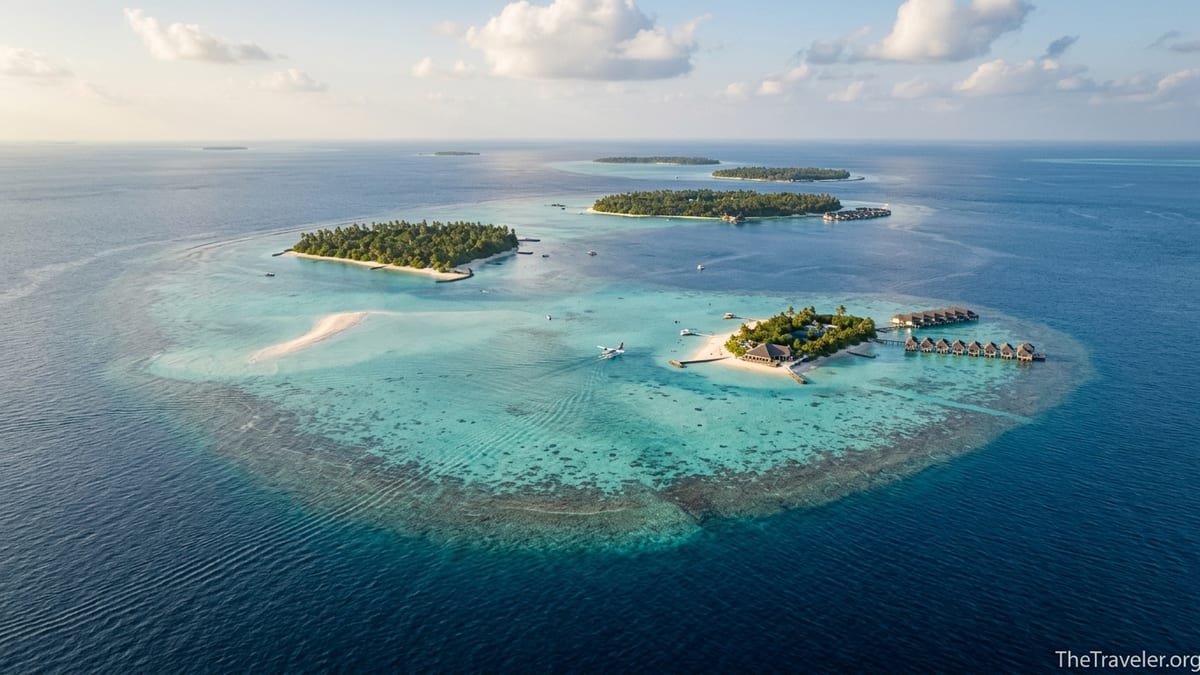
Understanding Maldives Seasons: Sunshine, Rain and Prices
The Maldives sits just north of the equator, which means air temperatures barely move from about 27 to 31 degrees Celsius all year. Instead of four seasons, the islands are shaped by two main monsoons. The northeast monsoon, from roughly December to April, brings drier, sunnier weather and generally calmer seas. The southwest monsoon, from about May to November, brings more cloud, passing showers and periods of rougher seas, especially on exposed outer reefs, though long sunny spells are still common.
In practical terms, this means that January, February and March are typically the driest and sunniest months, with February often recorded as the driest of all. Resorts in atolls popular with international visitors, such as North and South Male, Baa and Ari, report some of their clearest water visibility for divers at this time. By contrast, June to September sees more frequent showers and short storms, along with heavier swells that surfers actively seek out around atolls like North Male and Central Atolls.
Prices largely follow the sun. The traditional high season starts in late December and runs into early April, when European and North American winter demand pushes room rates up by 20 to 40 percent compared with the quietest months. A mid‑range private island resort that charges around 900 to 1,200 US dollars per night for a beach villa with breakfast in February might drop closer to 500 to 700 dollars in June or September. Local guesthouses on inhabited islands show the same pattern on a smaller scale, moving from about 120 to 180 dollars per night in peak season to 60 to 120 dollars in the wetter months.
Crowds follow the same curve. Government tourism data shows visitor arrivals peaking from January to March and again in December, then easing off through May, June and September. For travelers, that translates into fuller breakfast buffets and busier house reefs in February, and far more space by the pool and on the sand in June, even at well‑known brands such as Kuramathi, Meeru or Centara.
Marine Life Seasons: When Mantas, Sharks and Reefs Shine
For snorkelers and divers, the best time to visit the Maldives also depends heavily on what you hope to see underwater. Coral reefs and colorful reef fish are present year‑round, but big animal encounters shift with currents and plankton. During the dry northeast monsoon, currents typically run from east to west, clearing visibility on many eastern outer reefs while pushing plankton and pelagic life to the western side. In the wetter months, those currents often reverse and conditions flip.
Manta rays are one of the Maldives’ star attractions. Around Baa Atoll, especially the famous Hanifaru Bay, the peak gathering season usually runs from about June to October, when plankton blooms draw in dozens, sometimes hundreds, of feeding mantas on a good day. Resorts such as Milaidhoo, Soneva Fushi and Kihaa often organize daily excursions in this window, accepting that some outings may be cloudier or choppier but with a higher chance of spectacular encounters. In contrast, during the dry season mantas are more frequently encountered on eastern cleaning stations and channels in atolls such as North Male and Ari.
Whale sharks, the world’s largest fish, show a different pattern. In the South Ari Marine Protected Area, near islands like Dhigurah and Maamigili, sightings are recorded throughout the year, but tour operators note slightly better odds from around August to November when plankton levels rise. Day trips from resorts such as Lux South Ari Atoll or guesthouses on Dhigurah often combine reef snorkeling with whale shark searching in this period. For divers targeting sharks more broadly, including grey reefs and sometimes hammerheads, channels in atolls like Vaavu, Rasdhoo and Fuvahmulah are productive in most months, with the clearest visibility often found in February and March.
If your priority is crystal‑clear water for shallow snorkeling right off the beach, the late dry season from February to April usually offers the best combination of sun overhead and clear lagoons, particularly on eastern reefs. Families staying at large, lagoon‑style resorts such as Bandos or Kuredu frequently report days where visibility on the house reef feels like swimming in an aquarium. Shoulder months such as November and May still offer excellent snorkeling, but you may notice slightly milky water on windy days as fine sand and plankton hang in the shallows.
January to March: Peak Sunshine, Peak Prices
January, February and March are widely marketed as the prime time to visit the Maldives for guaranteed sun and calm seas. In a typical January, you can expect many days of clear blue skies punctuated by only brief showers. This is when upmarket resorts schedule their highest‑value stays. For example, a seven‑night stay in an overwater villa at a five‑star property in North Male Atoll might easily top 12,000 to 15,000 US dollars including transfers in late January, while the same itinerary in June can cost several thousand dollars less.
February stands out for its dry, stable weather. For honeymooners or travelers planning a once‑in‑a‑decade trip, late February through mid‑March often delivers the most consistent blend of sunshine, warm but not oppressive humidity, and flat seas ideal for paddleboarding and kayaking. Dive centers on islands such as Kandolhu or Vilamendhoo typically promote this period as offering visibility above 20 meters on many reef sites, especially on the eastern sides of atolls where offshore currents flush clear water through channels.
The trade‑off in these months is cost and company. School holidays and winter breaks in Europe, Russia and the Middle East mean flights into Male can be heavily booked, and entry‑level beach bungalows at popular private islands sell out months in advance. Families heading to large all‑inclusive resorts such as Sun Siyam Iru Fushi or Atmosphere properties often lock in dates nearly half a year ahead to secure school‑holiday weeks. For independent travelers, guesthouses in islands like Maafushi or Thoddoo also push prices higher in this window, responding to demand from budget‑conscious visitors chasing the same sunshine.
If you are focused purely on sunshine and are comfortable paying for it, this is the safest window to choose. Just keep in mind that climate variability means no month is guaranteed. In the past few seasons, some travelers have reported short unsettled spells even in early January, and equally, long runs of blue skies in May. Weather probabilities still favor the first quarter of the year, but it remains worth carrying flexible expectations.
April to June: Transitional Skies and Value Opportunities
April is a transitional month in the Maldives, with the atmosphere shifting from the dry northeast regime to the wetter southwest pattern. In practice, that often means hot, humid days with strong sunshine punctuated by heavier but still short‑lived thunderstorms. Sea temperatures are at their warmest, and snorkeling close to midday can feel like swimming in a heated pool. Resorts in atolls popular with divers, such as South Ari or Vaavu, often highlight channel diving during this period, as nutrient‑rich currents start to change but visibility remains relatively high.
Because April includes Easter and some school holidays, the first half of the month often behaves like an extension of high season in terms of pricing, with many resorts only dropping rates meaningfully after mid‑April. Travelers targeting lower prices can look at the last week of April or early May. It is not unusual to find five‑star resorts discounting their entry‑level rooms to the 600 to 800 dollar range per night around this time, sometimes including half‑board or seaplane transfers that would be extras in February.
May and June mark the start of what on paper is the wet season, but many repeat visitors consider them prime months for value. Showers become more frequent, winds pick up, and days with an hour or two of cloud and rain are more common. However, prolonged washout days remain relatively rare. On an average week in May, you might see two or three short thunderstorms rolling through in the late afternoon, with the rest of the time still warm and swimmable. Surf breaks near resorts like Cinnamon Dhonveli and Hudhuranfushi come alive as swells build, and divers in some atolls report more pelagic sightings as plankton levels rise.
Financially, this can be an excellent compromise for travelers willing to tolerate weather uncertainty. Local booking agencies report that many mid‑range private island resorts drop 25 to 40 percent off their February headline rates by late May. For example, a family that would need around 10,000 dollars to spend a week in a beach villa with meals in March might secure a similar package for 6,000 to 7,000 dollars in early June. Guesthouses on islands such as Fulidhoo or Ukulhas often advertise rooms under 80 dollars per night including breakfast, making multi‑week stays feasible.
July to September: Low Prices, Lusher Greens and Surf Swell
By July, the southwest monsoon is typically established. This period historically brings the highest overall rainfall totals in many central and northern atolls, though showers still tend to be short. Expect more overcast mornings, chopping seas on the windward side of islands and the possibility that boat trips may be rescheduled around squalls. On the other hand, the vegetation on resort islands looks at its most lush and tropical, with coconut palms and breadfruit trees thriving after regular rain.
For many budget‑minded travelers, July, August and September represent the most attractive period to visit the Maldives. Data from local pricing aggregators shows both guesthouses and resorts advertising some of their lowest rates of the year. Beach villas at well‑reviewed four‑star islands in the South Male or Ari atolls can be found from roughly 350 to 500 dollars per night, particularly when booked with longer stays of seven nights or more. Simple but comfortable guesthouses near excellent house reefs on islands such as Rasdhoo or Thulusdhoo might drop to 60 to 100 dollars per night including breakfast, with on‑site dive centers offering discounted multi‑day dive packages.
Snorkeling and diving conditions in these months are more variable but still often rewarding. Seas can be choppy on the outside of atolls, so travelers prone to seasickness may prefer islands with good house reefs accessible directly from the beach, limiting the need for long boat rides. Visibility can fall on certain days as plankton increases, but that same plankton supports manta rays and whale sharks in western atolls and marine protected areas. Operators in Baa Atoll, for instance, typically run their busiest Hanifaru Bay manta excursions in August and September, making these some of the best months for those specific encounters even if the skies are not always postcard‑blue.
An additional benefit of traveling during these months is space. Despite European summer holidays, overall visitor numbers generally remain well below February and March peaks. Many guests report that even popular islands feel quiet, with little competition for pool loungers or prime spots on sunset sandbanks. For couples wanting privacy at a lower price, and for divers who prioritize big‑animal action over flat seas, this can be an appealing trade.
October to December: Shoulder Sweet Spots and Festive Spikes
October is another transition month in the Maldives, as the southwest monsoon begins to ease and weather gradually moves back toward the dry pattern. Historically, it remains one of the wetter months in many atolls, with a risk of several cloudy days in a row. At the same time, lightning storms can make for dramatic sunsets, and temperatures remain warm for swimming. Many travel planners quietly flag October as a contrarian pick, particularly for travelers targeting mantas in Baa Atoll, where the season often tapers but can still be strong through the first half of the month.
From a pricing perspective, October and early November still behave like shoulder season for many properties. It is relatively common to see five‑star resorts run four‑nights‑for‑three or free upgrade promotions, bringing per‑night costs for beach villas down to 500 to 800 dollars where they could be 1,000 dollars or more in February. Smart planners sometimes book two‑center stays, such as splitting ten nights between an upscale resort in Baa Atoll for manta excursions in early October and a smaller, quieter island in South Male for lagoon relaxation as the dry season returns in November.
By late November, weather typically stabilizes again, with longer sunny spells and less frequent storms. Snorkeling visibility improves, especially along eastern reef edges. Visitor arrivals also climb as European winter sets in. Resorts begin to withdraw low‑season offers and introduce minimum‑stay and surcharge policies around the Christmas and New Year festive period. At many properties, especially well‑known brands in North Male, Baa and Ari atolls, a compulsory gala dinner is added on 24, 25 or 31 December, often priced from 200 to 500 dollars per adult, so budget planning needs to account for this.
December itself is divided into two distinct experiences. In the first half of the month, you can often find relatively good value paired with increasingly settled weather. For example, a mid‑December package from a regional tour operator might place you in a reputable four‑star island for seven nights around 5,000 to 6,000 dollars for two adults including flights from a European gateway. From approximately 20 December onwards, however, prices climb sharply, availability tightens, and high‑end overwater villas at flagship resorts such as Gili Lankanfushi or Joali can sell for several thousand dollars per night.
How to Match Your Priorities to the Right Month
Choosing the best time to visit the Maldives is ultimately about matching your own priorities to the seasonal pattern. If your main goal is reliable sunshine for a special‑occasion trip, and budget is flexible, then late February and March are strong candidates. These weeks typically bring some of the driest weather of the year, excellent underwater visibility, and a slightly softer price curve than the Christmas and New Year peak. Couples booking an overwater villa at a luxury resort during this period frequently comment that they experienced full weeks of blue skies broken only by brief, refreshing showers.
For snorkelers and divers focused on charismatic marine life rather than surface conditions, timing may shift. Travelers determined to swim with manta rays in Hanifaru Bay or along western atolls often aim for July to early October, accepting a higher chance of mixed weather in exchange for more plankton, more mantas and stronger currents. Those prioritizing whale sharks in South Ari often select a window from around August to November, when local operators report slightly increased sighting probabilities on their logs. Serious divers planning a trip built around channels and sharks, but not specific seasonal events, can safely look at a span from January through May and again from October into early December.
Budget‑focused travelers usually get the best balance of value and conditions in the shoulder months. Late April, May, June, late September and early November often combine decent weather with noticeably lower rates. A couple comfortable with the possibility of a few rainy afternoons might save several thousand dollars by shifting a one‑week stay from early March to late May, while still enjoying warm seas, productive snorkeling and relaxed resort atmospheres. In the same way, families tied to school holidays sometimes find October half‑term or early December more affordable than February.
It is also useful to recognize that conditions can differ between atolls in the same month. For example, in August the western side of the country, including Baa and Raa atolls, may see more plankton, mantas and cloud, while eastern atolls such as North Male or Vaavu might enjoy slightly clearer skies but different underwater conditions. When comparing offers from two or three potential resorts, asking specific questions about typical weather, house‑reef visibility and seasonal wildlife in that particular atoll can help you make a more informed choice.
FAQ
Q1. What is the overall best month to visit the Maldives?
There is no single best month for everyone, but late February and March often offer the most consistent mix of sunshine, clear water and relatively predictable sea conditions, albeit at high season prices.
Q2. Which months are cheapest for a Maldives holiday?
Prices are usually lowest from May to early July and again in September, when rain and wind are more likely. Resorts and guesthouses commonly discount room rates by 25 to 40 percent compared with February.
Q3. When is the best time to visit the Maldives for snorkeling?
For calm, clear lagoons and easy house‑reef snorkeling, February to April is often ideal. However, good snorkeling is available all year, especially if you choose an island with a strong house reef close to shore.
Q4. When is the best time for scuba diving in the Maldives?
Divers often favor January to April for clear visibility on many reefs, while June to October can be better for manta rays and whale sharks on the western side of the country, despite more unsettled surface conditions.
Q5. What is the best time to see manta rays in the Maldives?
Manta ray season in Baa Atoll and other western atolls generally peaks from June to October, while eastern cleaning stations near atolls like North Male and Ari see more mantas between about December and April.
Q6. When are whale sharks easiest to see in the Maldives?
In the South Ari Marine Protected Area, whale sharks can be seen year‑round, but local operators often report slightly higher encounter rates from around August to November when plankton levels are elevated.
Q7. Is the rainy season in the Maldives a bad time to go?
Not necessarily. From May to October you are more likely to see showers and some rough seas, but most days still include long sunny spells, and prices drop significantly compared with high season.
Q8. How far in advance should I book a Maldives trip for peak season?
For popular months such as January, February and late December, it is sensible to book flights and resorts at least six months ahead, especially if you want specific room types or family‑friendly villas.
Q9. Which months are best for avoiding crowds?
June, July, September and the first half of October tend to have fewer visitors. Even on well‑known islands you will often find quieter pools, restaurants and sandbanks in these months.
Q10. Are shoulder seasons in the Maldives really better value?
Yes. In late April, May, June and parts of November you often retain much of the good weather but enjoy noticeably lower prices and more availability, making these months strong options for value‑conscious travelers.