


The northern Maldives, stretching from Baa and Raa up to Lhaviyani and Noonu atolls, offer some of the country’s best sunshine, manta encounters and high quality diving. Yet conditions change dramatically through the year. Currents switch, plankton blooms come and go, and resort prices can double between seasons. This month by month guide focuses on the northern and north central atolls so you can match your dates to what matters most to you: long sunny days, manta ray encounters, clear water, or lower nightly rates.
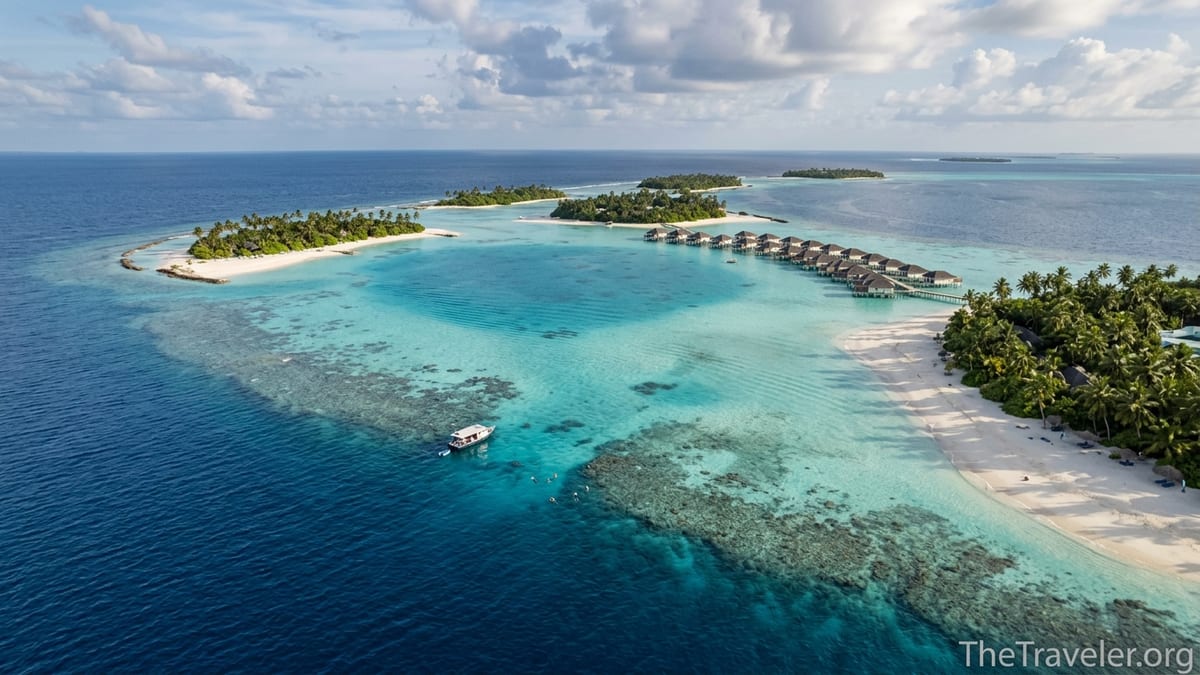
How Seasons Work in the Northern Maldives
The Maldives has a tropical monsoon climate rather than four distinct seasons. For the northern atolls, the key pattern is the dry northeast monsoon from roughly December to March and the wetter southwest monsoon from May to November, with April and November acting as transitional months. Air temperatures are warm year round, typically around 27 to 30 degrees, but rainfall and sea conditions shift significantly between these periods according to data from the Maldives Meteorological Service and recent climate assessments.
For divers and snorkelers, the important detail is not just rain but current direction and plankton levels. From December to April, currents often favor clearer water on the eastern sides of atolls, improving visibility for reef and channel dives. During the southwest monsoon, plankton levels rise, which can reduce visibility but attract filter feeders such as manta rays to cleaning stations and lagoons, especially around Baa Atoll’s famous sites.
Pricing follows the sun. Most resorts in northern and central atolls treat December through March as high season, with shoulder season in April, late October and November, and low or “green” season rates from roughly June to mid October. Several 2025 and 2026 rate studies show typical high season uplifts of 30 to 50 percent compared with low season, and in some luxury properties the gap between a February and September rate for the same villa can be roughly halved.
Because the Maldives stretches north to south, weather can vary slightly by atoll, but for northern atolls you can assume that December to March offers the most reliable sunshine and calm seas, while June to September brings the strongest chance of squally weather, short downpours and wind, even if calm, clear windows are still common.
December to March: Peak Sunshine and Clear Water
From December through March, the northeast monsoon dominates and the northern Maldives generally enjoy long, bright days and relatively low rainfall. Reports from both the Maldives Meteorological Service and resort operators indicate that February and March tend to be among the driest months, with frequent blue skies and gentle seas. Underwater, visibility can easily reach the 20 to 30 meter range on many reef and channel dives, particularly on the eastern sides of atolls such as Lhaviyani and Noonu.
For divers, this is an excellent time for classic Maldivian channel dives, with schooling reef sharks, eagle rays and healthy hard coral gardens. For example, operators based at resorts like Hurawalhi in Lhaviyani or Reethi Beach in Baa often highlight January to March as prime time for clear water drift dives and beginner friendly conditions. Snorkelers can expect bright, shallow reefs with good light penetration and relatively gentle surface chop on most days, especially in protected lagoons.
The trade off is price. High season demand from Europe, the Middle East and North America pushes nightly rates sharply upward in northern atolls, especially around Christmas, New Year and Easter. A mid range water villa at a four star resort in Raa Atoll that sells around the equivalent of 450 to 550 US dollars including breakfast in September might be closer to 800 to 1,000 dollars or more in late February, with overwater pool villas at five star brands in Baa often reaching several thousand dollars per night during holiday weeks.
If your top priorities are near guaranteed sunshine and easy, high visibility diving, and your budget is flexible, January through early March is the sweet spot. For slightly better value during the dry season, many repeat visitors target the second half of January and the first half of March, avoiding the premium holiday periods while still enjoying generally excellent weather.
April and May: Shoulder Season and the First Shift
April sits at the turning point between the northeast and southwest monsoons. Historically it remains one of the warmest months of the year, with sea temperatures peaking around 30 degrees. Rainfall begins to rise toward the end of the month, and humidity climbs, but many days remain sunny or partly sunny, particularly in the northern atolls. Underwater, visibility can still be good, although plankton levels may start to increase in certain channels and lagoons.
This is an attractive compromise month for travelers who want a good chance of sunshine without the peak season price tag. Many resorts in northern atolls classify April as shoulder season and reduce nightly rates by roughly 15 to 25 percent compared with February and March. For instance, a luxury resort in Baa Atoll that averages around 2,000 dollars per night for an overwater villa in January might list the same villa closer to 1,400 to 1,600 dollars in mid April, especially outside Easter and regional school holidays.
May marks the more reliable onset of the southwest monsoon across the country. The Maldives Meteorological Service frequently announces the monsoon arrival in mid May, with rains and stronger winds spreading northward. In Baa, Raa and Lhaviyani, this often translates into a pattern of short, intense showers or squalls, sometimes several days in a row, broken by bright, clear spells. Seas can become choppier, particularly on exposed outer reefs and during speedboat crossings between atolls.
On the upside, marine life picks up for big animal fans. Many dive operators and liveaboards note that the period from May onward is when plankton blooms begin to draw manta rays to cleaning stations and feeding sites on the western sides of the atolls. For example, early signs of manta aggregation often appear around Baa Atoll’s outer reefs and channels in late May, ahead of the core Hanifaru Bay season later in the year. Resort prices also soften further, so guests willing to accept some risk of unsettled weather can start to find more compelling value.
June to September: Green Season, Mantas and Value
From June through September, the southwest monsoon is in full swing. In the northern Maldives this is the time most likely to bring overcast skies, periods of rain and windier conditions, although it is rarely continuous drizzle. Instead, travelers typically experience a mix of cloudy and sunny days, with fast moving showers that can arrive and clear within an hour, plus the occasional day of more persistent rain. Sea conditions can be rough on inter island crossings, and some excursions, such as long distance sandbank trips, may be cancelled at short notice when local squalls move through.
This is also when prices in northern and central atolls are at their lowest. Analyses of 2025 and 2026 resort pricing patterns suggest that low season rates from June to September can be 40 to 60 percent lower than peak winter rates at the same property. One published example from a luxury price index described a villa priced near 1,200 dollars per night in February falling to about 500 dollars in September, a pattern that is broadly representative of remote five star properties in Baa and Noonu. Mid range resorts and quality guesthouses see similar percentages, though starting from lower base prices.
Divers willing to accept less predictable surface conditions are often rewarded. Channel currents can be strong, particularly on western sides of atolls, but they bring rich plankton and large numbers of pelagics. Reef sharks, barracuda and schooling jacks are frequently reported at northern channel mouths in this season, and experienced divers often favor these months for more dramatic drift dives. Visibility can be reduced by suspended plankton, particularly on western exposures, but this is exactly what attracts manta rays and, in some central atolls, whale sharks.
For manta enthusiasts, June to September is a key period in the north. Baa Atoll’s Hanifaru Bay, a UNESCO Biosphere Reserve, becomes one of the world’s most reliable aggregation sites for reef mantas when conditions align. While exact peak weeks vary year by year, local conservation groups and dive centers typically describe the main season as June to October, with some of the biggest “feeding events” occurring during July, August and early September when plankton is thickest. Access is controlled, with snorkel only permits and limited time slots, but staying at a Baa atoll resort such as Dusit Thani, Amilla or Anantara Kihavah during this window greatly increases your chances of seeing dozens of mantas barrel rolling in clear, shallow water.
October and November: Transition, Storm Risk and Late Mantas
October is often one of the wettest months in the Maldivian year according to climate summaries, and that pattern extends to the northern atolls. Visitors can encounter frequent squalls, thunderstorms and rougher seas, especially in the first half of the month. At the same time, water temperatures remain warm and the plankton rich conditions that fueled the manta season in July and August can linger, keeping the possibility of encounters high around Baa and neighboring atolls.
For divers, October can deliver some of the most dramatic big animal action at the cost of comfort and predictability. Strong currents and lower visibility on western exposures combine with surgy surface conditions that may not suit beginners. Liveaboard dive boats targeting northern and central itineraries frequently schedule manta focused routes in September and October to take advantage of late season aggregations, including Hanifaru Bay, nearby cleaning stations such as Nelivaru Thila, and well known channels in Raa and Lhaviyani.
By November, conditions usually begin to stabilize as the southwest monsoon weakens and the influence of the northeast monsoon builds again. Rainfall often remains above the dry season average but heavy squalls become less frequent, sunshine hours increase, and seas start to settle, especially toward the end of the month. Visibility on the eastern sides of atolls gradually improves as plankton levels drop, and many resorts describe November as a transitional month that offers a bit of everything: lingering mantas, better light for snorkeling and photography, and improving surface comfort.
From a pricing standpoint, October often still carries low season or early shoulder season rates, while November can show a steady climb toward December high season levels. For example, a four star resort in Noonu might offer generous long stay discounts and complimentary half board packages in early October, then begin to withdraw those offers by mid November as occupancy rises. Travelers who are flexible, comfortable with some chance of unsettled weather and focused on manta encounters rather than guaranteed blue skies may find late September to early November particularly rewarding.
Matching Your Priorities: Sun, Mantas, Diving and Budget
Choosing the best time to visit the northern Maldives hinges on deciding what you care about most. If your priority is predictable sunshine, smooth boat rides and postcard perfect lagoon views, then January to March stand out. This period delivers the most consistent clear skies, calm seas and high visibility on eastern reefs, and it is ideal for honeymooners or families who prefer relaxed snorkeling and sandbank picnics with minimal risk of disruption. The cost is higher nightly rates and generally fewer manta encounters in the north, though occasional sightings still occur at cleaning stations.
If mantas are your main goal, timing shifts. The manta calendar in the north is tied closely to plankton rich conditions during the southwest monsoon. For Baa Atoll in particular, June to October is the focus, with a tighter peak around July to September at Hanifaru Bay and surrounding reefs. Travelers willing to plan a week long stay at a Baa resort during this window, and to accept a real chance of rainy days and choppy seas, give themselves the best odds of snorkeling beside large feeding groups. Some visitors combine a few days in Baa for mantas with time in a different northern atoll known for reef shark channels to diversify what they see.
For divers focused on underwater visibility rather than specific megafauna, the dry season is typically best. Eastern channels in Lhaviyani, Noonu and Raa tend to have clearer water between about January and April, making it easier to appreciate schooling fish, healthy reefscapes and intricate coral formations. Macro and photography oriented guests also benefit from the brighter ambient light and calmer surfaces. In contrast, thrill seekers who enjoy powerful channel currents and are comfortable in reduced visibility may find June to September more exciting, especially when dive centers emphasize advanced drift dives with strong reef hook use.
Budget is the other major lever. Travelers looking for the lowest prices on quality resorts or liveaboards should aim for June, September or the first half of October, watching for long stay deals and free meal plan upgrades. Those who prefer to hedge against heavy rain can focus on shoulder months such as late April, early May and late November, when rates often sit 15 to 30 percent below peak but sunshine prospects are still reasonable. It can be more cost effective to book a higher category resort in low season, accepting some weather risk, than a mid range property in peak season, and many experienced Maldives visitors deliberately follow this strategy.
Practical Planning Tips for Northern Atolls
When planning a trip to the northern Maldives, factor in travel logistics as well as weather. Many northern atoll resorts require a domestic flight or seaplane transfer from Malé, and these can be more susceptible to delays or schedule changes during the monsoon months if visibility drops or storms pass through. In contrast, transfers in the dry season are smoother and more predictable, which can be important for short trips. For example, seaplane services to resorts in Baa, Raa and Noonu typically operate most frequently during daylight hours, so arriving on a late evening international flight in June might require an overnight stay in Malé before continuing the next morning.
Travel insurance that covers weather related disruption is sensible in any month but particularly useful from May to October, when choppy seas can occasionally delay speedboat transfers and poor visibility can ground seaplanes temporarily. Some higher end resorts offer more flexible cancellation and rebooking terms in low season, knowing conditions can be unpredictable, so checking cancellation rules before locking in non refundable rates is important.
Dive and snorkel expectations should also be tuned to the season. In the dry months, you can plan more channel dives and outer reef walls with confidence in visibility but should still expect occasional current changes. In the green season, briefings often emphasize stronger currents, down currents and potential need for negative entries, especially at channel mouths. Divers new to these conditions may prefer to build up experience on sheltered inner reefs before joining the most advanced drift dives.
Finally, pack with flexibility in mind. Even in January or February it is wise to bring a light rain jacket for passing showers, while in June to September quick drying clothing and a waterproof bag for cameras and electronics are very useful during boat rides. A thin 3 millimeter wetsuit is comfortable for most divers year round in the north, while many snorkelers are happy in rash guards and swim leggings, both for warmth during longer sessions and for sun protection on bright days.
The Takeaway
There is no single “best” month to visit the northern Maldives because conditions, marine life and prices all move on different cycles. Instead, the right time depends on whether you value sunshine, manta encounters, clear water or budget savings most. In broad terms, December to March is ideal for sun seekers and high visibility divers, June to September for manta fans and value hunters prepared for squalls, and April, May and November for travelers who like compromise.
By anchoring your dates to your priorities, choosing your atoll carefully and understanding how monsoon seasons shape life above and below the surface, you can turn a complex calendar into a clear advantage. For many travelers, that might mean planning a week in Baa Atoll in August to chase mantas, or booking an early March stay in Lhaviyani for calm blue seas and classic reef dives, or targeting late April in Noonu to balance cost and sunshine. The northern Maldives reward those who time their visit thoughtfully, offering rich experiences in every season.
FAQ
Q1. What is the sunniest time of year in the northern Maldives? The sunniest period is generally from January to March, during the northeast monsoon, when rainfall is lowest and skies are most reliably clear.
Q2. When is the best time to see manta rays in Baa Atoll? Manta encounters in Baa Atoll are most reliable from June to October, with many operators highlighting July, August and early September as the core Hanifaru Bay season.
Q3. Which months offer the clearest underwater visibility for diving? The clearest visibility typically occurs between about January and April on the eastern sides of northern atolls, when currents bring in clearer oceanic water and plankton levels are lower.
Q4. When are resort prices generally lowest in the northern Maldives? Resort prices are usually lowest from June to mid October, during the southwest monsoon, when rain and wind risk increase but many properties offer discounts and value added packages.
Q5. Is it worth visiting the northern Maldives in the rainy season? Yes, for many travelers it is worth it. You can experience fewer crowds, significantly lower prices and excellent manta and shark diving, but you must be comfortable with the possibility of cloudy days, choppy seas and occasional trip disruptions.
Q6. How does the weather in April and November compare to peak season? April and November are transition months. They are generally warmer and more humid, with a higher chance of showers than January to March, but they still see many sunny days and offer better prices, making them attractive compromise months.
Q7. Are sea conditions calm enough for families with children in low season? Sea conditions from June to September can be choppier, especially on outer reefs and during transfers, but many resorts have sheltered lagoons that remain suitable for children. Families who are sensitive to motion or prefer smoother boat rides may be happier traveling between January and April.
Q8. Do all northern atolls have the same manta season? No. While Baa Atoll is famous for its June to October manta aggregations, other northern atolls have slightly different patterns, with some sites peaking earlier or later. Checking with specific resort or dive operators in your chosen atoll is important for precise timing.
Q9. What thickness of wetsuit is recommended for diving in the northern Maldives? Sea temperatures are warm year round, so most divers are comfortable in a 3 millimeter full suit or shorty. Those who get cold easily may prefer a full 3 millimeter suit, especially for multiple dives per day in the green season when wind can make boat rides cooler.
Q10. How far in advance should I book for peak season in the northern Maldives? For stays between late December and early March, especially around major holidays, it is wise to book at least six to nine months in advance for popular northern atoll resorts, to secure preferred room types, flight connections and seaplane slots.