


The Maldives has a reputation for ultra-luxury honeymoons, but you do not need a five-figure overwater villa to have a deeply romantic escape. For many couples, the real magic lies in choosing the right island: one that feels intimate, quiet and close to nature, whether that is a simple guesthouse on a sleepy local island or a small boutique resort where you can walk the whole shoreline in ten minutes. This guide compares some of the best options in both worlds so you can match your island to your style of romance, not just your budget.
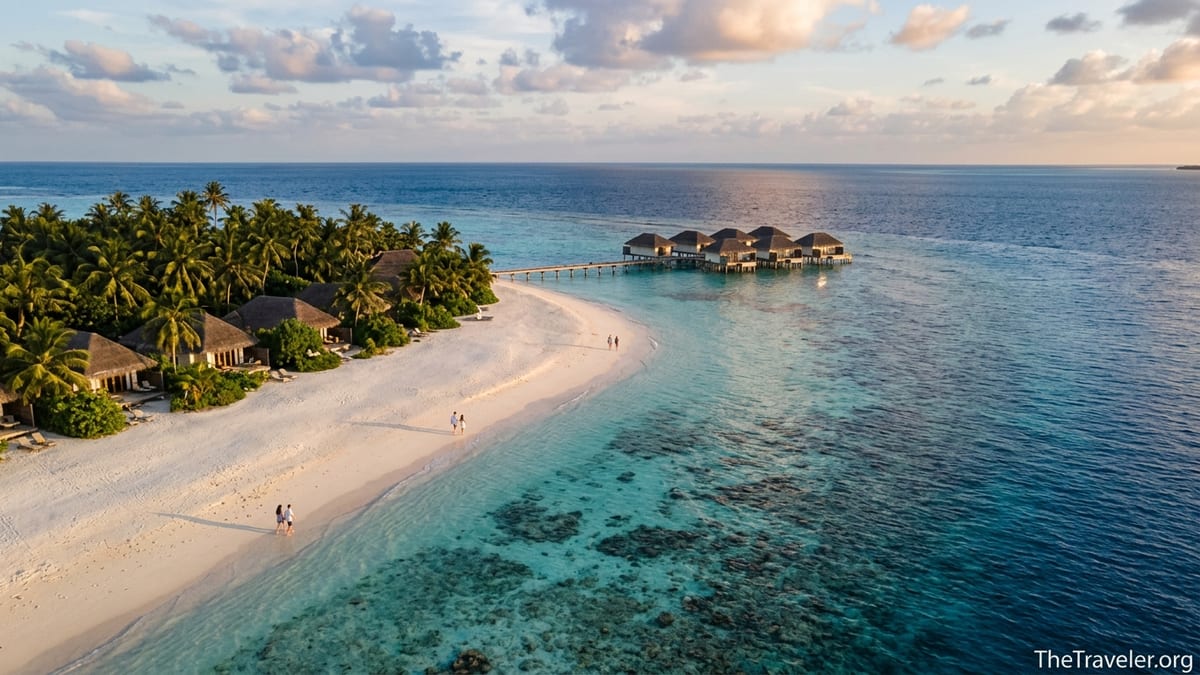
How to Choose the Right Maldives Island for Two
In the Maldives, your island choice matters more than the hotel brand name on the booking confirmation. Almost every resort sits alone on its own island, and many local islands now have well run guesthouses. The result is that the feel of your trip is shaped by the island’s size, layout, and vibe, not just the room category you book. A couple staying in a modest beach room on a tiny quiet island can often feel more secluded than guests in a mid-range water villa on a big, busy resort.
For couples who value peace, the first question to ask is island size. Small islands such as Mirihi in South Ari Atoll are only about a five-minute walk around and have roughly three dozen villas, which naturally limits the number of people on the beach at any time. Larger islands with several hundred rooms can still be romantic, but you will notice more buggies, kids’ clubs and shared spaces. If you prefer empty stretches of sand and a slow rhythm, a smaller island or a quiet local island usually works better.
Transfer type and atoll also matter. Speedboat-accessible islands near the capital Malé are easier to reach after a long flight and typically cheaper on transfers, but they can have more boat traffic and day trips. Seaplane-access islands in farther atolls often feel more remote, with darker skies for stargazing and less light pollution, which many couples love. Remote local islands work similarly, offering big skies and quiet nights, but you trade seaplanes and champagne for ferries, simple cafes and mosque calls at sunrise.
Finally, think about how you spend time together. If “romance” for you means long swims from the beach house reef, look for islands praised for snorkeling rather than the most elaborate villa design. If you dream of sunset cocktails and private sandbank dinners, then a resort with a good excursions team and dedicated honeymoon experiences will serve you better than the quietest local island, where alcohol is not available and sunset is more about slow walks and tea on the beach.
Romantic Local Islands: Quiet, Authentic and Budget-Friendly
Local islands in the Maldives are inhabited by Maldivian communities and have opened to tourism in the past decade through licensed guesthouses and small hotels. They are alcohol free and have dress codes for public beaches, but many now offer “bikini beaches” screened for tourists. For couples who do not need champagne by the pool and want to stretch their budget, these islands can be wonderfully romantic, with quiet streets, simple restaurants and beaches that look straight off a postcard.
In Vaavu Atoll, Fulidhoo is a classic example. It is a tiny island known for calm turquoise shallows and access to channels where you can snorkel with nurse sharks and rays on organized excursions. Typical guesthouse rates in high season often sit around mid-range city hotel prices per night for a comfortable double room with breakfast, which means you can stay a week here for less than two nights in many resort water villas. Evenings tend to be quiet: couples stroll the sand, watch traditional drum performances when they happen, then retreat to terraces with a book and the sound of waves.
Further west, a string of local islands in and around Ari Atoll has become popular with couples who want good snorkeling and a chance to spot whale sharks without staying at a luxury property. Islands such as Rasdhoo and Ukulhas in the north, and Dhigurah in South Ari Atoll, are frequently used as bases for day trips to manta and whale shark hotspots. Dhigurah in particular has a long, photogenic sandspit and a relaxed, leafy village feel. Guesthouses arrange daily whale shark snorkeling trips in season, and many couples say that drifting side by side with a huge but gentle shark is one of their most memorable shared travel moments.
One of the most romantic agricultural islands is Thoddoo, which sits alone in its own small atoll. It is famous for watermelon farms, coconut groves and long walks through sandy village lanes. The island’s wide bikini beach has soft white sand and plenty of space, especially at sunrise and near sunset when temperatures drop. Prices for guesthouses are similar to other local islands, but the feel is notably rural and tranquil. Couples willing to cycle ten minutes from their room to the beach are rewarded with scenes of fishermen in the distance and, often, very few other tourists in sight.
Boutique Resort Islands: Intimate, Polished and Still Human-Scale
Many couples want the privacy and amenities of a resort but do not need ultraluxury frills or sprawling complexes. Boutique resort islands in the Maldives hit that sweet spot: small, often owner driven properties with around 30 to 70 villas, strong house reefs and a focus on service rather than spectacle. Nightly rates are higher than on local islands but often lower than headline luxury names, especially outside peak festive periods.
Mirihi Island Resort in South Ari Atoll is often cited by repeat visitors as one of the most romantic small islands. With roughly three dozen villas and an island footprint you can circle barefoot in minutes, it manages to feel personal without being fussy. There is no loud music at night, the house reef starts a short swim from the beach steps, and most villas open straight onto the sand or the lagoon. A couple booking in shoulder season can sometimes find offers where half board or even full board significantly reduces dining bills, making a boutique resort stay more approachable.
In North Malé Atoll, Baros Maldives is another well known romantic name. It is not marketed as adults only, but the small size, relatively few family facilities and emphasis on classic Maldivian design give it a strong couples’ feel. Many villas have private pools and direct beach access, and the resort is close enough to the airport for a quick speedboat transfer, which cuts both travel time and transfer cost. Past guests consistently highlight quietly attentive service, including small touches like staff learning your coffee order or arranging in villa breakfasts timed with sunrise.
If you like the idea of a boutique resort but want something slightly newer, several under the radar islands have opened or refreshed in the last few years in atolls such as Lhaviyani and Raa. These properties often have fewer than 100 rooms, strong sustainability messages and house reefs that make it easy to spend long, unstructured days snorkeling side by side without needing a guide. Rates can start from mid hundreds of US dollars per night for beach villas in low season, rising with meal plans and overwater categories, so it pays to compare a few options and look at what is actually included.
Adults-Only and Adult-Focused Islands: Built for Quiet Romance
For couples who know they want minimal noise and no kids’ clubs, adults-only or highly adult-focused resort islands are the most straightforward path. These islands are designed for honeymooners, anniversary trips and child-free travelers who want silence around the pool and a consistently romantic mood in public spaces, from restaurants to bars. You will often find more candlelight dinners on the beach than daytime pool games.
Komandoo Island Resort in Lhaviyani Atoll is a good example of an adults-only island at a more accessible price point than some of the newest ultra-luxury names. With around 65 villas on a small, green island, it has a long running reputation for being tranquil without feeling stiff. Reviews from recent solo and couple travelers mention that it is easy to spend days without seeing many other people, especially if you choose a beach villa on the quieter side of the island. Boat transfers are shared with a busier sister resort, which keeps overall costs down while preserving a calm atmosphere once you arrive.
Another widely discussed adults-only option is Hurawalhi, also in Lhaviyani Atoll. It is known for its dramatic underwater restaurant and sleek overwater villas with pools, but its real appeal for couples is how focused it is on shared experiences. Think guided snorkeling, private sandbank picnics and curated tasting menus. It is more expensive than Komandoo and sits in the higher mid-range to luxury bracket per night, yet many couples with a set honeymoon budget find that a shorter stay here feels special without being financially out of reach when combined with a few nights on a cheaper local island.
There are also resorts that are not formally adults only but are strongly adult leaning in mood. Some newer wellness focused islands position themselves as quiet sanctuaries with spa programs, sunrise yoga and design that appeals more to couples than families. For travelers who might return with children in the future, these resorts can offer a good compromise: an atmosphere that feels romantic now, with the flexibility of accepting all ages.
Beaches, Privacy and Sunsets: Matching Island Style to Your Mood
When people picture the Maldives, they tend to see empty white beaches, swaying palms and sunsets over the ocean. The reality is that different islands deliver that image in different ways. On some, the beach is wide and continuous, perfect for long, hand in hand walks at the water’s edge. On others, small coves framed by vegetation feel more private but give you a shorter stroll. Couples should think about whether they prefer big horizons or intimate nooks.
Local islands like Fulidhoo or Thoddoo often have long public beaches with designated bikini sections. These areas can feel wild and empty, especially early in the morning or near sunset. You might share the sand with a few other travelers or local families, but you are unlikely to see rows of loungers or loud music. On resort islands, privacy often comes from villa spacing and vegetation between decks. A beach villa at a boutique resort like Mirihi or Baros can give you the chance to step straight from your terrace into the lagoon without crossing paths with anyone else, especially in the quieter months outside school holidays.
If sunset views matter to you, ask which side of the island your villa will face. Many islands have distinct sunrise and sunset beaches, and resorts sometimes price categories differently based on the view. For couples who like to linger on their deck with a drink in hand as the sky shifts from gold to mauve, a west facing villa can be worth a small price premium. On local islands, you will usually watch sunset from the bikini beach or harbourfront instead, sometimes accompanied by the sounds of evening prayer or village life in the background.
It is also worth considering how busy the water itself feels. Some atolls see more transit traffic from speedboats and supply vessels, which can break the illusion of remoteness if you are sensitive to it. Islands deeper inside atoll lagoons or nearer to channels used mostly for diving boats may feel quieter. Couples who want nothing between them and the horizon except ocean may find that more remote resort islands and smaller local communities deliver that mood better than those nestled close to busy seaplane routes or multiple neighboring resorts.
Snorkeling, Excursions and Shared Adventures
For many couples, a Maldives trip is as much about what you do together as where you sleep. House reef quality is important if you love snorkeling. Boutique resort islands like Mirihi and several others in Ari and Baa Atolls are praised for healthy reefs that start just a few fin kicks off the beach. You can slip into the lagoon before breakfast, drift over coral gardens watching reef fish, and be back on your lounger in time for coffee, all without booking a boat.
Local islands can surprise you here too. While some community islands sit in shallow lagoons with limited coral near shore, others have quick access by small boat to excellent snorkeling and diving channels. Dhigurah’s appeal, for example, lies less in its immediate house reef and more in its position within South Ari’s whale shark corridor, where day trips regularly go searching for these giants. Rasdhoo and Ukulhas also position you near well known manta and shark points, and trip prices on local islands are often significantly lower per person than similar excursions from resorts.
Excursions from resort islands are typically more polished, with dedicated marine biologists, comfortable dive dhonis and thoughtful extras such as warm towels, snacks and small group sizes. They are also priced accordingly, which is part of why many couples combine a few nights of resort luxury with a longer stay on a local island to balance the budget. A typical romantic excursion portfolio might include a sunset dolphin cruise, a sandbank picnic, a night snorkeling trip to see plankton glow, or even a private photoshoot at golden hour.
Think about your shared comfort level in the water as well. Couples who are newer to snorkeling may feel safer starting on a resort island with easy lagoon entries and lifejackets ready on shore, plus staff who can accompany you the first time. More experienced swimmers and divers might prefer the flexibility and value of local islands where you can join scheduled trips with small local operators at relatively modest rates and still be back in time for a simple seafood dinner at a beachfront cafe.
Smart Ways to Combine Local Islands and Resorts
You do not have to choose only one type of island. Increasingly, couples design trips that combine the authenticity and savings of local islands with a shorter stay at a boutique resort. This can work particularly well if you are flying a long way and want both adventure and pampering without committing to ten nights of high resort pricing.
One common pattern is to start with a local island for four to six nights. For example, you might fly into Malé, transfer by speedboat to Fulidhoo or Rasdhoo, and spend several days snorkeling, joining whale shark or manta excursions in season and getting used to island time. You will pay local island rates for guesthouses and meals, enjoy simple dinners at family run cafes and experience daily Maldivian life. Then, for the final three or four nights, you transfer to a nearby boutique resort, perhaps in the same atoll, to enjoy private villa living, refined dining and curated sunset experiences.
Another approach is to reverse the order: start with the resort so you can decompress from your flight quickly, then move to a local island once you are rested and ready to explore. This can be cost effective if you pick a resort within speedboat distance of Malé for your first few nights, then switch to a ferry or domestic flight to reach a more remote island. It also reduces the pressure to “do everything” while at the resort, because you know you still have time ahead for independent exploration.
When pricing out combinations, remember to factor in all transfers. Seaplane legs can add a significant amount to your total cost, sometimes several hundred US dollars per person, whereas speedboat or public ferry routes are cheaper. Some couples choose to keep all their stays within one or two connected atolls that are reachable by speedboat specifically to limit transfer expenses and maximize time floating in the water rather than waiting in transit lounges.
Communication is key. Let both your guesthouse and resort know your transfer plans so they can coordinate pick ups and advise on realistic same day connections. Many properties are used to guests combining stays and can suggest schedules that keep stress low, such as staying the last night before your international flight at a resort or local island within an hour of the airport in case of weather related delays.
The Takeaway
For couples, the Maldives is less about ticking “overwater villa” off a list and more about finding an island that matches how you want to feel together. Some will be happiest barefoot on a quiet local beach in Fulidhoo, Thoddoo or Dhigurah, sharing simple meals and long swims with whale sharks or mantas. Others will prefer the curated intimacy of boutique resorts like Mirihi, Baros, Komandoo or Hurawalhi, where staff remember your names and sunsets come with a perfectly made drink and a table set for two in the sand.
The good news is that you do not need an ultra-luxury budget for either experience. With careful island selection, smart combinations of local and resort stays, and clear priorities about what romance means for you, it is entirely possible to design a Maldivian escape that feels indulgent, deeply personal and quietly memorable. The right island for your relationship is out there; the key is to choose with intention rather than impulse and let the slow rhythm of atoll life do the rest.
FAQ
Q1. Are local islands in the Maldives suitable for romantic trips, or are they too basic?
Local islands can be very romantic for the right couple. Rooms and amenities are simpler than resorts, but you gain quiet beaches, a sense of community and much lower prices. If you are happy with guesthouse comfort, modest restaurants and no alcohol, islands like Fulidhoo, Thoddoo, Rasdhoo, Ukulhas and Dhigurah can feel intimate and special.
Q2. How much should couples budget per night for a romantic boutique resort island?
Prices vary by season and offers, but many boutique resorts with a romantic focus start around the mid hundreds of US dollars per night for entry level beach villas in low or shoulder season. Overwater villas, private pools and high season dates can push rates into the upper hundreds or more. Checking for half board or full board deals often makes the overall cost more manageable.
Q3. Is it realistic to combine a local island and a resort in one Maldives trip?
Yes, combining both is increasingly common and can work well. A typical plan is four to six nights on a local island, followed by three or four nights at a boutique resort. This lets you experience Maldivian village life and good value excursions first, then finish with private villa comfort and elevated dining, all while keeping the overall budget lower than a full resort stay.
Q4. Which islands are best for couples who want strong snorkeling without long boat rides?
If snorkeling is a priority, look for islands known for good house reefs. Boutique resorts like Mirihi in South Ari Atoll and several small islands in Baa and Ari Atolls have reefs that start close to the beach. Among local islands, places near major channels, such as Rasdhoo or Ukulhas, often have easy access to quality snorkeling by short boat rides, though the reef directly off the main beach can be more variable.
Q5. Are adults-only resorts worth the premium for couples who dislike noise and crowds?
For many couples, adults-only resorts are worth paying extra, especially if peace and quiet are top priorities. Islands like Komandoo and Hurawalhi are designed with couples in mind, with no children on site, calmer pools and a generally more relaxed atmosphere. If your trip dates fall in school holidays, adults-only or strongly adult-focused islands can make a noticeable difference.
Q6. Can I still experience sunset drinks and romantic dinners if I stay on a local island?
You will not find alcohol on local islands, but romance is still easy to find. Many guesthouses arrange sunset picnics, private dinners on the beach and evening tea with local snacks. You can also bring non alcoholic sparkling drinks or similar treats if it matters to you. If having wine or cocktails at sunset is essential, you may want to include a few nights at a resort where alcohol is served.
Q7. What is the best time of year for couples to visit the Maldives for calm seas and good weather?
The Maldives has a tropical climate, and weather can vary, but many travelers aim for the drier northeast monsoon months, typically from around December to April, for more reliable sunshine and calmer seas. Prices are higher in these periods and at festive times. Shoulder months outside the absolute peak can offer a balance of value and decent conditions, though brief showers are always possible.
Q8. How far in advance should couples book to get good value on romantic islands?
For peak season and popular boutique or adults-only resorts, booking several months in advance is wise, especially if you want specific villa types or sunset facing rooms. Local island guesthouses can sometimes be booked closer to arrival, but the best located or most stylish options still fill up. Watching for early booking offers and flexible date promotions can help secure better value.
Q9. Are there cultural considerations couples should keep in mind on local islands?
Yes. Local islands are home to Maldivian communities, so modest dress is expected in streets and non tourist beaches, and public displays of affection are best kept discreet. Alcohol is not served, and you will hear calls to prayer from mosques. On designated bikini beaches and at guesthouses, standards are more relaxed, but being respectful of local customs goes a long way to ensuring a smooth, welcoming stay.
Q10. Is the Maldives still a good choice for couples who are not confident swimmers?
Yes, with some planning. Many resort islands have shallow lagoons with gentle entry points, lifejackets and staff who can guide first swims or snorkeling attempts. Some local islands also offer calm, shallow areas near shore. If you are nervous, choose islands marketed for beginner friendly lagoons rather than those known for strong currents, and consider taking a short swimming or snorkeling lesson early in your stay so you can enjoy the water safely together.