


Choosing the best atoll in the Maldives can feel harder than picking a resort. Distances, transfer times, reef quality and dive sites vary dramatically from one atoll to the next, and those differences will shape your entire holiday. This guide compares the main atolls most visitors actually stay in North Malé, South Malé, Ari, Baa, Raa, Lhaviyani, Noonu, Dhaalu, Vaavu and the far southern atolls so you can match the right region to your budget, wish list and travel style.
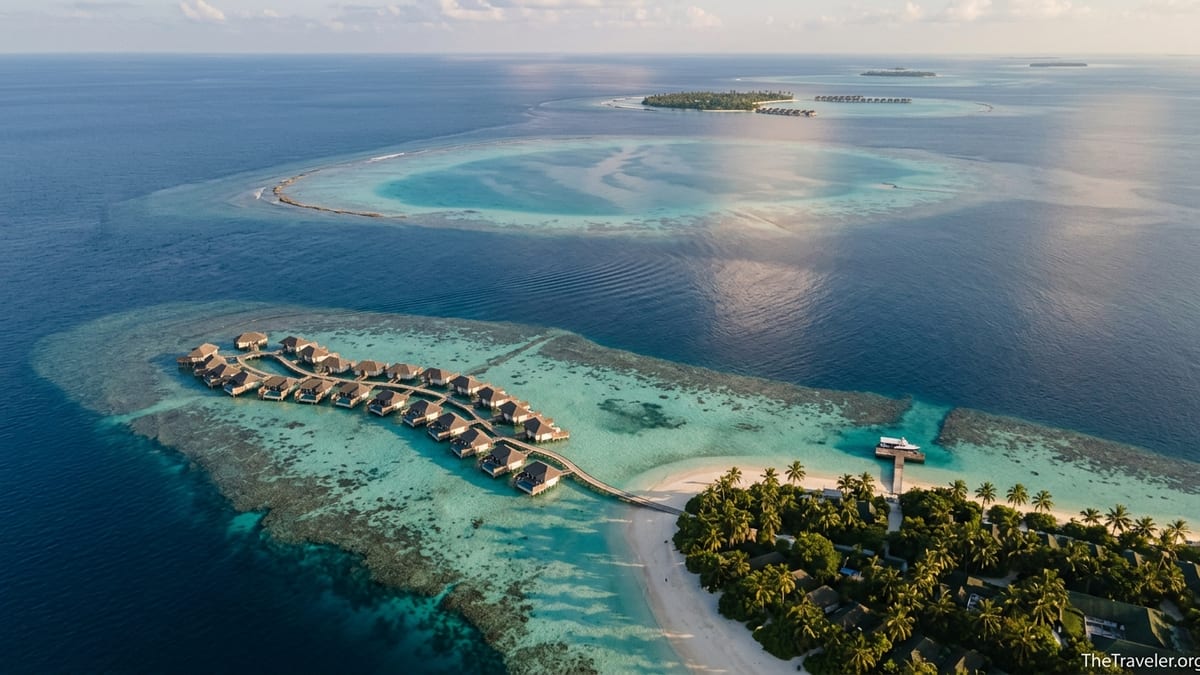
How Maldives Atolls Really Differ: Transfers, Vibe and Budget
Most international visitors land at Velana International Airport near Malé, then continue by speedboat, seaplane or domestic flight to their resort. That onward transfer is where atoll choice really starts to matter. Resorts in North and South Malé Atolls typically use shared speedboats, which can reach many properties in about 20 to 60 minutes depending on sea conditions. A couple flying in from Europe and arriving mid‑afternoon can realistically be in their villa by sunset without an extra domestic flight or overnight in Malé, which is a major reason these central atolls are so popular for first‑timers and shorter trips.
By contrast, atolls further from Malé such as Ari, Baa, Lhaviyani, Noonu, Raa and Dhaalu generally rely on seaplane transfers during daylight hours. These flights usually take about 25 to 45 minutes in the air, but you should factor in wait time at the seaplane terminal and the cost. For a typical five‑star resort in Baa or Ari Atoll, a return seaplane can add several hundred dollars per person to the bill. Far southern atolls like Gaafu or Addu often use a domestic flight plus speedboat, which can make total travel time from Malé closer to two or three hours door to door.
Because of this, North and South Malé Atolls tend to suit shorter stays, quick romantic breaks and travelers who are anxious about long transfers or seaplane schedules. The outer atolls reward the extra effort with wilder reefs, less boat traffic and, in places like Baa or South Ari, some of the Maldives’ most famous big‑animal encounters. When comparing resorts, it is worth asking your hotel or agent for realistic transfer timing windows based on your international arrival times, not just the flight or boat duration.
Budget also tracks loosely with distance and privacy. You will find a wide range of price points in every atoll, but as a rule, resorts that require a seaplane or domestic flight tend to cost more overall once transfers are included. On the other hand, those same atolls often give you larger natural islands, longer beaches and more dramatic lagoon colors than some of the compact resort islands close to Malé that sit near busy channels and shipping routes.
North & South Malé: Easiest Transfers and Classic First‑Timer Choice
North Malé and South Malé Atolls make up the central region around the capital and offer the most straightforward logistics. Many well‑known names sit here, including Kurumba, the country’s original resort, and larger luxury properties such as One&Only Reethi Rah in North Malé. These islands are within speedboat reach of the airport, with some just 15 to 20 minutes away when seas are calm. For a five‑night stay, that can mean an extra half‑day on the beach instead of in transit, which matters if you are coming from North America or Europe.
Because these atolls are so accessible, they are also the busiest. Expect more boat traffic, some visible shipping lanes on the horizon and reefs that can be more affected by use and warming seas than those further north or south. That said, there are still pockets of excellent snorkeling and diving, especially around channels and protected marine areas. Several boutique resorts in both North and South Malé offer house reefs where you can still spot reef sharks, turtles and healthy coral gardens just a short swim from shore, although serious divers might prefer to split their time with a more dive‑focused atoll.
For couples, the Malé atolls offer plenty of polished, contemporary resorts with overwater villas, sophisticated dining and well‑equipped spas. Many high‑end properties here focus on privacy and service rather than wilderness. Families benefit from short transfer times, reliable medical access in Malé and a wide choice of resorts with kids’ clubs and multi‑bedroom villas. For example, some North Malé resorts combine large beach pool villas that fit families of four or five with structured activities such as marine biology talks, cooking classes and non‑motorized watersports included in the stay.
If you are planning a honeymoon or anniversary trip of five to seven nights and you are nervous about seaplanes, or if you are traveling with very young children, choosing a resort in North or South Malé is often the most practical solution. You will trade some remoteness and top‑tier diving for sheer convenience, but for many first‑time visitors that is a compromise worth making.
Ari Atoll: Whale Sharks, Reliable Diving and Balanced Choice
Ari Atoll, sometimes divided into North and South Ari, stretches west of Malé and has long been a favorite among divers. South Ari in particular is known as one of the most reliable places in the Maldives to see whale sharks, with a marine protected area along its southern fringe where juvenile whale sharks are spotted year‑round on boat trips and, occasionally, right from resort jetties. Several well‑known resorts operate in this corridor, and many run dedicated half‑day outings where snorkelers drift alongside guides searching for the characteristic spotted shadows near the surface.
Beyond whale sharks, Ari Atoll offers a wide variety of dive sites, from shallow thilas with schooling reef fish to channel dives where currents bring in grey reef sharks and eagle rays. Signature sites in the region are regularly featured in dive magazines and teaching agency guides, which is why many liveaboard cruises include Ari on their itineraries. For a traveler trying to combine a comfortable resort stay with serious diving, Ari is one of the most balanced choices: you can wake up in an overwater villa, enjoy high‑end dining and still have access to dive centers that run daily boat trips to high‑profile sites.
Transfer logistics to Ari depend on where you stay. Central and northern parts of the atoll are typically served by seaplane in about 30 to 40 minutes from Malé. A few islands closer to the eastern edge can be reached by domestic flight and speedboat. Seaplane costs will add to your budget, but Ari offers a broad range of resorts, from laid‑back four‑star properties with buffet dining to polished luxury brands with extensive wine cellars and private pools. That variety means couples, groups of friends and families can often find something that fits both taste and budget more easily here than in some smaller atolls.
For families, Ari is appealing when older children are keen on snorkeling or junior diving courses. Calm lagoons around many islands make it easy for beginners, and nearby reefs with turtles, rays and reef sharks keep more experienced teens and parents engaged. For honeymooners and couples, South Ari’s long sandbanks, lagoon‑side villas and whale shark excursions create a strong sense of place that feels distinctly, and memorably, Maldivian.
Baa, Raa & Noonu: Manta Hotspots and Low‑Key Luxury
Northwest of Malé, Baa Atoll has built a global reputation among marine‑life enthusiasts. It is home to Hanifaru Bay, a protected marine area where, in season, dozens of reef manta rays and the occasional whale shark gather to feed on plankton concentrated by tides and currents. Between roughly June and November, snorkeling trips here can involve being surrounded by mantas looping and barrel‑rolling through the water. Strict rules limit visitor numbers, time in the water and activities to protect the animals, so most resorts in Baa work with local rangers and book time slots a day or two ahead.
Resorts in Baa range from rustic‑chic barefoot luxury to some of the country’s most exclusive brands with multi‑bedroom beach mansions, private slide‑equipped villas and advanced sustainability programs. Seaplanes generally connect Malé to Baa in roughly 30 minutes of flying time, though shared flights may stop at multiple islands. Many Baa dive centers also offer nitrox as standard for certified divers, recognizing that much of the best manta diving on nearby reefs and cleaning stations happens at depths where extra bottom time is useful.
Neighboring Raa and Noonu Atolls offer a similar mix of seaplane access and high‑quality reefs but with fewer overall resorts and even more of a low‑key feel. Several newer all‑inclusive luxury resorts have opened in these atolls in recent years, with large lagoons, long overwater jetties and design‑forward villas aimed squarely at honeymooners and style‑conscious couples. With fewer day‑trip boats and generally quieter channels, snorkeling from resort house reefs in Raa and Noonu can feel more secluded than in busier central atolls, while still offering regular sightings of reef sharks, turtles and schools of fusiliers and jacks.
Families who value space, kids’ clubs and varied dining will find that many Baa, Raa and Noonu resorts sit on relatively large natural islands. That size lets them add football pitches, cooking schools, open‑air cinemas and marine biology centers without feeling crowded. For couples, the same scale can translate into true privacy, with long stretches of beach and villas screened by natural vegetation. The main trade‑offs are seaplane costs and the need to arrive into Malé early enough in the day to make your connection north before sunset.
Lhaviyani, Dhaalu & Vaavu: Strong Reefs and Good Value
Lhaviyani, northeast of Malé, has built a quiet reputation among divers and repeat visitors for strong reefs and less‑crowded sites than some headline atolls. Channel dives here are known for schooling fish, reef sharks and, at certain spots, manta rays cleaning on underwater pinnacles. Several long‑established resorts in Lhaviyani offer competitive all‑inclusive packages that balance good food and comfortable villas with relatively attractive pricing compared with the most famous luxury names. Seaplane transfers usually take around 30 to 40 minutes from Malé.
Dhaalu Atoll, to the southwest, has seen a wave of new, design‑oriented resorts open over the past decade. Many of these properties target couples with sleek overwater villas, glass floors, contemporary restaurants and sophisticated spas. Diving and snorkeling highlight channels with pelagic life, while lagoons remain calm enough for paddleboarding and kayaking. Because Dhaalu is less dense with resorts than Malé or Ari, day‑trip traffic is lighter, and guests often report feeling like they have sandbanks and snorkeling spots almost to themselves outside peak season.
Vaavu, southeast of Malé, remains one of the more low‑key atolls accessible primarily by speedboat or a short domestic hop, depending on your island. It is popular with liveaboards and independent divers for its channels and night dives with nurse sharks, but a handful of simple resorts and guesthouses also serve travelers looking for a less polished, more local feel. For travelers who want strong reefs and diving focus without top‑tier luxury pricing, Vaavu and parts of Lhaviyani and Dhaalu can offer compelling value. Accommodation might be simpler than in big‑name luxury atolls, but access to healthy coral, sharks and rays is often as good or better.
Families and non‑divers in these atolls should look at how each resort balances marine adventure with on‑island facilities. Some Lhaviyani and Dhaalu properties have excellent kids’ clubs, wide beaches and shallow lagoons ideal for younger children, while others feel more like dedicated dive lodges. Reading recent reviews that mention house reef conditions, kids’ activities and noise levels will help you narrow down which islands deliver the atmosphere you want.
Far Southern Atolls: Wild Reefs and Advanced Diving
The chain of far southern atolls, including Gaafu (Huvadhoo) and Addu, sits well below the equator and feels a world away from busy North Malé. These regions are reached via domestic flights from Malé, often followed by a speedboat transfer. Total journey times can easily stretch beyond three hours door to door, so these areas are best suited to longer stays or travelers who have already visited the central atolls and want a new experience.
Diving in the far south is often described as more challenging but also more rewarding. Stronger currents in some channels bring in pelagic species, including various shark species and large schools of trevally and barracuda. A number of specialist dive resorts and liveaboards operate here to take advantage of seasonal aggregations and cleaning stations. While there are family‑friendly resorts in these atolls, the feel overall is more focused on diving and seclusion, with fewer overall islands in operation compared with central atolls.
From a reef‑health perspective, the southern atolls can appear comparatively untouched, with stretches of hard coral and reef architecture that feel more dramatic and less impacted by coastal development. Beaches tend to be broad and natural, sometimes ringed by dense vegetation rather than manicured gardens. For travelers seeking a sense of exploration as much as relaxation, and for experienced divers happy with stronger currents and deeper profiles, the far south can be an unforgettable alternative to the classic postcard Maldives closer to Malé.
The main downsides are cost and logistics. Domestic flights add an extra layer of scheduling, and night‑time arrivals in Malé can require an overnight stay before continuing south. Food and drink choices may also be more limited on smaller or more remote islands, and medical facilities are farther away than in the central atolls. If you choose the far south, it is worth booking comprehensive travel insurance and checking evacuation provisions in advance.
Matching Atolls to Different Traveler Types
For couples and honeymooners, the classic choice is often split between the Malé atolls for convenience and seaplane‑access atolls like Baa, Raa, Noonu, Ari or Dhaalu for romance and scenery. If you only have five or six nights, and long travel days drain you, a stylish resort in North or South Malé can deliver sunsets, overwater dining and spa time without complicated transfers. If you have a week or more, stepping up to Baa for mantas, South Ari for whale sharks or a design‑driven hideaway in Dhaalu or Noonu gives you more of that remote‑island fantasy many visitors picture when they think of the Maldives.
Families often prioritize safety, medical access, kids’ activities and room to roam over raw wilderness. Resorts in North Malé, South Malé, Baa and Ari tend to score well here, offering kids’ clubs, shallow lagoons, qualified lifeguards and doctor visits on call. Some high‑end family resorts in Baa and Ari combine educational marine centers, junior snorkeling lessons and eco‑activities with family‑sized pool villas and flexible dining. If you are bringing toddlers or school‑age children on their first long‑haul trip, being within a speedboat or short seaplane ride of Malé can also be reassuring.
Dedicated divers and snorkelers should think in terms of season and target species. If you are focused on mantas, Baa and certain channels in Ari, Raa or Lhaviyani stand out in the southwest monsoon months. If whale sharks are your dream, South Ari and its marine protected area offer the highest year‑round reliability. For sharky channels and more advanced diving, Vaavu and the far southern atolls often deliver thrilling currents and big fish. It is worth choosing a resort with an in‑house dive center that runs multiple boats and can cater to different experience levels, especially if some members of your group are beginners.
Luxury‑seekers can find high‑end resorts in almost every atoll mentioned, but the flavor of that luxury differs. Close to Malé, it tends to be about design, service and facilities. Further out in Baa, Raa, Noonu, Ari and the south, it is often about space, privacy and access to world‑class natural encounters. If helicopter‑style convenience is important, stick to speedboat atolls. If brag‑worthy seaplane views and wildlife are your priority, budget for the extra flight and lean into the journey.
FAQ
Q1. Which Maldives atoll is best for a first visit?
For most first‑time visitors, North or South Malé Atoll works best because speedboat transfers are simple, resorts are plentiful and you can maximize beach time on a shorter stay.
Q2. Which atoll is best for whale sharks?
South Ari Atoll is widely regarded as the most reliable place in the Maldives to see whale sharks, with a protected area where juveniles are spotted in most months of the year.
Q3. Where should I go for manta rays?
Baa Atoll is famous for seasonal manta aggregations at Hanifaru Bay, while certain sites in Ari, Raa, Lhaviyani and the far south also offer regular manta encounters in the right season.
Q4. Which atolls have the easiest transfers from Malé?
North Malé and South Malé are easiest because most resorts use shared speedboats that take roughly 20 to 60 minutes, avoiding seaplane or domestic flights.
Q5. Are seaplane transfers worth the extra cost?
For many travelers, yes. Seaplanes open up atolls like Baa, Ari, Raa and Noonu, which often have wilder reefs, more space and headline wildlife encounters that justify the added cost.
Q6. Which atoll is best for families with young children?
North Malé, South Malé, Baa and Ari are strong choices because they combine good medical access, kids’ clubs, shallow lagoons and a wide range of family‑friendly resorts.
Q7. Where should advanced divers look for challenging sites?
Advanced divers often target Vaavu and the far southern atolls, where stronger currents and deep channels attract sharks, rays and large schools of pelagic fish.
Q8. Which atolls offer the best value for money?
Parts of Lhaviyani, Dhaalu and Vaavu Atolls can offer strong reefs and solid diving at lower overall prices than some headline luxury atolls, especially outside peak season.
Q9. Is it better to stay near Malé or in a remote atoll?
Staying near Malé suits shorter trips and nervous flyers. Remote atolls suit longer stays and travelers who prioritize reef quality, seclusion and signature wildlife experiences.
Q10. Can I visit more than one atoll in a single trip?
Yes, but it takes planning. Some travelers combine two resorts within seaplane range of Malé, or pair a resort stay with a liveaboard cruise that visits several atolls in one itinerary.