


The Maldives has a reputation as a once-in-a-lifetime splurge. Powdery white-sand islands, overwater villas and turquoise lagoons do not come cheap, but the reality is more nuanced than the glossy brochures. With hundreds of resorts and a growing network of local-island guesthouses, it is now possible to visit the Maldives on a range of budgets. The key is understanding where your money actually goes: flights, transfers, taxes, meals, drinks and experiences. This guide breaks down real-world 2026 costs so you can build a realistic budget, whether you are backpacking between local islands or booking a private-pool villa.
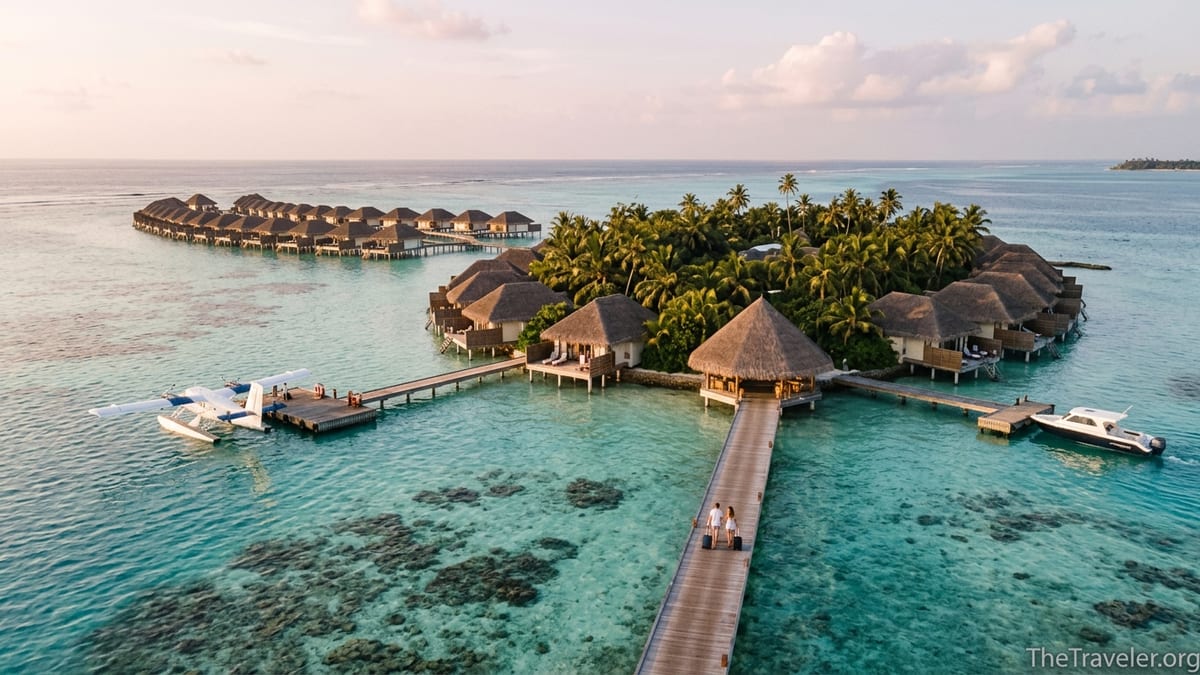
Core Trip Components: What You Will Definitely Pay For
Every Maldives trip budget starts with the same core building blocks: international flights, accommodation, transfers from the airport to your island, government taxes and daily food and drink. Excursions, spa treatments and diving then stack on top. Unlike many beach destinations, you cannot simply land and jump in a taxi to your hotel. Almost every stay involves a pre-arranged speedboat, seaplane or domestic flight, which can add several hundred dollars per person.
International flight prices vary widely by season and departure city. From many US hubs, a return economy ticket to Malé (Velana International Airport) often ranges from about 900 to 1,600 US dollars per person, with the lower end seen in shoulder months such as May, June and September, and the higher end falling around Christmas, New Year and Easter. From Europe, return fares from major cities like London, Frankfurt or Paris commonly fall in the 600 to 1,100 US dollar range in 2026 when booked several months ahead outside peak holidays.
Accommodation is the next major line item, and this is where the Maldives stretches from surprisingly affordable to ultra-luxury. A simple room in a guesthouse on a local island might start around 60 to 120 US dollars per night including breakfast for two, while a mainstream private-island resort might average 350 to 800 US dollars per night for a beach villa in high season. Iconic luxury names, especially those with large overwater villas and private pools, can easily run between 1,500 and 3,000 US dollars per night before taxes and transfers, with truly top-tier properties going far beyond that range.
Finally, you must factor in government taxes. Most tourist services and resort stays attract a tourism goods and services tax that is currently 16 percent on top of your room, meals and most extras, plus a nightly green tax charged per person. By the time you see your final bill at checkout, it is normal for taxes and service charges together to add roughly 25 to 30 percent to the headline prices, depending on the property’s service charge policy. When comparing deals, always check if rates are “before” or “after” tax and service.
Getting to Your Island: Seaplanes, Speedboats and Domestic Flights
Once you land in Malé, your next cost is getting to your island. Because most resorts sit on their own private atolls, the transfer is often arranged directly by the property and added to your invoice. In 2026, published return transfer ranges run roughly from about 100 to 490 US dollars per adult for shared speedboat transfers to nearby atolls, 400 to 820 US dollars per adult for shared seaplane journeys to outer atolls, and 350 to 520 US dollars for a domestic flight combined with a shorter speedboat ride. Children often pay 50 to 75 percent of the adult rate, while infants may travel free on many routes.
Speedboat transfers are the most common and economical option for islands close to Malé, such as many resorts in North and South Malé Atoll and nearby local islands. For example, resorts that are 15 to 45 minutes by boat often quote return speedboat transfers for around 150 to 250 US dollars per adult in 2026, sometimes included in promotional packages. A family of four could therefore spend 600 to 800 US dollars total on transfers to a speedboat-accessible resort, which is substantial but far lower than seaplane pricing.
Seaplane transfers are the classic Maldives postcard experience, but they come at a premium. For popular resort atolls such as Baa, Ari and Lhaviyani, many properties now quote return seaplane transfers in the 500 to 750 US dollar per adult range, with some high-end brands and longer routes edging towards 800 US dollars or more. For example, a resort that is 30 to 45 minutes by seaplane might charge about 400 to 600 US dollars per person for the round trip, while more remote atolls or ultra-luxury brands may be several hundred dollars higher. Baggage allowances are usually around 20 kilograms of checked luggage plus 5 kilograms of hand luggage per person, with excess weight sometimes charged at roughly 5 US dollars per kilogram.
Some southern atolls are reached via short domestic flights and a smaller speedboat ride, which tend to price out similarly to lower-end seaplane transfers. You might pay around 350 to 500 US dollars per person for a return domestic flight plus 10 to 20 minute boat. Budget-focused travelers staying on local islands in the same atoll as Malé can sometimes avoid resort-style transfers by using public ferries or scheduled shared speedboats, where one-way fares may be under 10 US dollars. However, most private-island resorts do not allow independent transport; you will need to use the transfer option they provide or approve, so it is essential to confirm costs before you lock in a non-refundable booking.
Understanding Taxes, Fees and Service Charges
Two government-imposed charges affect almost every tourist transaction in the Maldives: the tourism goods and services tax and the green tax. The tourism GST on services such as resort accommodation, meals and excursions stands at 16 percent. This is applied on top of the base price posted by the resort unless “tax inclusive” is explicitly stated. Many properties also add a service charge, often around 10 percent, distributed among staff, which effectively raises your bill before taxes are applied.
The green tax is a nightly environmental levy charged per person. As of 2026, the standard rate for guests staying at tourist resorts, hotels and liveaboard vessels is higher than the rate applied at registered guesthouses on local islands, with infants below a set age threshold often exempt. For a couple staying seven nights in a resort, the green tax alone can add roughly 100 to 200 US dollars to the total bill. While this cost is rarely highlighted in marketing materials, it appears clearly as a separate line item on invoices.
On top of taxes, resorts typically quote room rates and menu prices before service charge and GST. A dinner listed at 80 US dollars per person in the menu might end up closer to 100 to 105 US dollars once service and taxes are added. This can be disorienting if you are used to tax-inclusive pricing at home. Carefully reading the “fine print” in your confirmation is key. Some all-inclusive or full-board packages advertise total prices that already include taxes and service, which makes budgeting easier, though the headline figure will naturally look higher.
Airport-related costs are generally wrapped into your international airline ticket and transfer fees, but certain premium lounge access or VIP fast-track services in Malé can be added extras. These optional services can range from 40 to over 100 US dollars per person depending on inclusions, such as private buggy transfers between terminals or dedicated immigration lanes, and are usually only worth considering for short connections or special occasions.
Meals, Drinks and Board Plans: What You Really Spend Each Day
Food and drink are often the biggest surprise cost category for first-time visitors. On local islands with guesthouses, you can dine in simple cafes and small restaurants where a hearty local curry or grilled fish may cost around 8 to 15 US dollars, and a coffee or soft drink might run 2 to 4 US dollars. Self-catering is limited, but small supermarkets sell snacks, drinks and basic groceries at prices broadly similar to or slightly higher than in many European cities.
On private-island resorts, however, prices rise quickly. A buffet dinner at a mid-range resort can start around 60 to 90 US dollars per person before taxes and service. A la carte main courses at high-end properties often range from 40 to 80 US dollars, with tasting menus, premium seafood and specialty restaurants costing much more. At well-known luxury resorts, couples frequently report spending 180 to 250 US dollars per night on dinner alone, not including alcohol, especially if they dine in signature venues or order imported steaks and fresh lobster.
Drinks add another layer. A small bottle of water at a resort restaurant might cost 5 to 8 US dollars, while cocktails often fall in the 18 to 30 US dollar bracket. A glass of mid-range wine can be 15 to 25 US dollars, and a bottle often starts at 70 to 90 US dollars and climbs sharply for recognized labels. Many properties offer happy-hour promotions with discounted drinks, but travelers who enjoy multiple cocktails or glasses of wine per day can easily add 100 US dollars or more daily to their bill.
To keep costs predictable, many travelers choose board plans. Bed-and-breakfast usually includes a large breakfast buffet and leaves you to pay for other meals. Half-board adds dinner, which may be buffet-based or include set-menu options, while full-board includes three daily meals. All-inclusive packages bundle meals with many drinks and some non-motorized activities. In 2026, upgrading from breakfast-only to half-board at a typical mid-range resort for two people might add 120 to 200 US dollars per night before taxes, while a strong all-inclusive package at a four-star property can cost 250 to 400 US dollars extra per night for a couple. These packages can be good value if you plan to stay mostly on-island, eat three courses and enjoy several alcoholic drinks daily.
Excursions, Diving and Spa: Optional but Tempting Extras
Activities in the Maldives range from free, such as snorkeling off the beach or paddling a kayak that is included in your room rate, to ultra-premium, such as private yacht charters and helicopter tours. Most travelers will want to budget for at least a few paid experiences. A shared half-day snorkeling trip to nearby reefs and sandbanks often costs around 50 to 100 US dollars per person, including equipment and a guide. Dolphin-watching cruises run in a similar range. A romantic sunset cruise with drinks can be 60 to 150 US dollars per person depending on whether it is shared or private.
Diving is a major draw. For certified divers, a two-tank boat dive package at a resort dive center typically costs around 150 to 250 US dollars per person including gear rental, while a full PADI Open Water course might fall between 500 and 900 US dollars per person depending on the resort and season. Local-island dive shops can be significantly cheaper than resort-based centers but still follow international safety standards. If you plan to dive several days, total costs can easily run into four figures, so it is worth checking multi-dive packages or staying on islands known for competitive dive pricing.
Spa treatments are another common splurge. A 60-minute massage at a mid-range resort spa often starts around 120 to 180 US dollars before tax and service, while 90-minute signature rituals at luxury properties can cost 250 to 350 US dollars. Couples’ treatments are usually priced at a premium. Some resorts offer multi-treatment spa packages that lower the per-session cost or include complimentary add-ons such as scrubs or steam rituals.
More exclusive experiences, like private sandbank dinners, castaway picnics, big-game fishing and motorized water sports, can quickly inflate your budget. A private sandbank dinner with champagne for two might start around 400 to 600 US dollars, while jet ski rentals often cost 100 to 200 US dollars for 30 to 60 minutes. If you are aiming to keep to a moderate budget, it is wise to pick one or two high-impact experiences rather than booking an excursion every day.
Daily Budgets by Travel Style: Budget, Mid-Range and Luxury
To translate all of these line items into something tangible, it helps to look at realistic daily budget ranges per couple, excluding international flights. These estimates for 2026 assume seven nights, including accommodation, transfers, food, basic drinks and a handful of excursions, but not major shopping splurges.
On a budget trip focused on local islands, using guesthouses and public or shared speedboats, a thrifty couple can often manage around 180 to 260 US dollars per day on average once spread over a full week. This might include a 90 US dollar per night guesthouse with breakfast, shared speedboat transfers that average out to around 40 US dollars per day across the trip, and 50 to 100 US dollars daily on meals, soft drinks and the occasional basic excursion. You will eat mainly at local cafes, avoid alcohol where it is restricted, and limit paid activities.
At a mid-range private-island resort, a more typical daily budget for a couple sits around 450 to 800 US dollars excluding flights. A representative breakdown might be 350 to 500 US dollars per night for a beach villa on a bed-and-breakfast plan, transfers that average 70 to 120 US dollars per day over a week, and approximately 150 to 250 US dollars daily on food, drinks and one or two excursions during the stay. Many couples in this category opt for half-board or a reasonably priced all-inclusive package to keep dinner and some drinks covered.
For a luxury trip at a top-tier five-star resort, daily spend for two can easily reach 1,200 to 2,500 US dollars or more before flights. A water villa with private pool might cost 1,000 to 2,000 US dollars per night plus taxes, with seaplane transfers averaging 150 to 250 US dollars per day over the week. Daily on-island spend, including fine dining, premium drinks, spa sessions and private experiences, can run from 300 to 600 US dollars or higher. In this bracket, upgrading to a comprehensive all-inclusive plan or special package that includes transfers and some excursions can sometimes offer better value than paying each item separately.
Seasonality, Saving Strategies and Booking Tips
Seasonality has a strong influence on both cash prices and award availability. Peak season in the Maldives typically runs from late December through April, with Christmas and New Year commanding the highest rates. During these weeks, even mid-range resorts can double their usual prices, minimum-stay requirements of five to seven nights are common, and transfer surcharges can apply. May to early July and late August to October are often considered shoulder periods, with more frequent discounts and value-added offers such as free half-board or complimentary transfers.
Travelers flexible on dates can save substantially. Shifting a honeymoon from late December to late January or early March, for example, can sometimes cut room rates by 20 to 40 percent. Many resorts also run “stay longer, pay less” promotions where additional nights are discounted, such as staying seven nights and paying for five, or offering free meal-plan upgrades. Watching for these offers and comparing them side by side, always with taxes and transfer costs included, is one of the most effective ways to reduce your total bill.
Location also matters. Choosing a speedboat-accessible resort in North or South Malé Atoll instead of a seaplane-only property immediately saves several hundred dollars per person. Staying in a beach villa rather than an overwater villa for part or all of your stay can shave hundreds of dollars per night while still giving you full access to resort facilities and the same lagoon. Some couples compromise by booking a beachfront room for most nights and splurging on an overwater villa for one or two special nights at the end.
Finally, realistic pre-trip planning helps avoid bill shock. Before confirming any resort, request a written breakdown of room rates with taxes, round-trip transfer costs for all travelers, meal-plan pricing and typical menu prices. Ask specifically whether the quoted rates are tax-inclusive. If you intend to pay with points at a branded luxury property, remember that transfers, food, drinks and most activities will still be fully chargeable in cash. Creating a spreadsheet that models low, medium and high daily spend scenarios often reveals whether a particular resort or board plan fits your comfort zone.
The Takeaway
The Maldives can be both an attainable dream and an eye-wateringly expensive indulgence, depending on how you design your trip. The main cost drivers are not just the headline room rate, but the combination of transfers, taxes, meal plans, drinks and experiences layered on top. A guesthouse-based island-hopping trip with local cafes and a few shared excursions can land closer to the budget of a European beach holiday, while a week in an iconic overwater villa with seaplane transfers, fine dining and daily spa treatments can rival the cost of a small car.
The most important step is to map out your priorities. If you care most about the setting and lagoon but are less focused on big-name brands, a well-reviewed four-star resort reachable by speedboat can deliver stunning scenery at a more manageable price point. If you dream specifically of a designer overwater villa with private butler and extensive wine list, accept that you will need a correspondingly higher budget and look for promotions that include transfers or meal-plan upgrades.
With clear expectations and careful planning, you can align your Maldives experience with your budget rather than the other way around. Decide how much you are comfortable spending per day, work backward to pick an island, board plan and season that fit that target, and leave some buffer for the inevitable extra cocktail, spa treatment or sandbank sunset cruise that will tempt you once you arrive.
FAQ
Q1. How much does a one-week Maldives trip cost for a couple on a tight budget?
A couple staying in guesthouses on local islands, using shared speedboats or ferries and eating mainly at local cafes, can often manage a seven-night trip excluding international flights for roughly 1,300 to 1,800 US dollars in total. This assumes simple rooms with breakfast, modest daily food spend and just a few low-cost excursions.
Q2. What is a realistic budget for a mid-range private-island resort for a week?
For a mainstream four-star or entry-level five-star resort, many couples find a total of around 3,500 to 6,000 US dollars for seven nights, excluding international flights, to be realistic. This usually covers a beach villa, round-trip transfers, a half-board or basic all-inclusive plan and a handful of activities.
Q3. How expensive are seaplane transfers in the Maldives?
In 2026, shared return seaplane transfers commonly range from about 400 to 820 US dollars per adult, depending on distance and resort. Children often pay a reduced rate, while infants may be free. Premium brands and longer routes can sit at the upper end of this range or slightly above.
Q4. Are speedboat-accessible resorts much cheaper overall?
Speedboat transfers are generally significantly cheaper than seaplanes, often in the 100 to 490 US dollar return range per adult. For a couple, choosing a resort reachable by speedboat rather than seaplane can easily save several hundred dollars, which can then be redirected to better meals, a higher room category or special excursions.
Q5. Is all-inclusive worth it in the Maldives?
All-inclusive can represent good value if you plan to stay on the island, eat three meals daily and enjoy several drinks. At mid-range resorts, upgrading from breakfast-only to a strong all-inclusive package for two can cost 250 to 400 US dollars extra per night, but may still be cheaper than paying for meals and drinks individually in destinations where menu prices are high.
Q6. How much should I budget per day for food and drinks at a resort?
At a typical four-star or five-star private-island resort, many couples spend around 150 to 300 US dollars per day on food and non-alcoholic drinks when not on an all-inclusive plan. Adding cocktails, wine or premium dining experiences can raise this to 250 to 400 US dollars per day or more.
Q7. What do excursions and activities usually cost?
Shared excursions such as snorkeling trips, dolphin cruises or sunset sails often cost between 50 and 150 US dollars per person. Diving is more, with a two-tank boat dive for certified divers typically priced around 150 to 250 US dollars per person. Spa treatments commonly start around 120 to 180 US dollars for a 60-minute massage.
Q8. How much do taxes and service charges add to the bill?
Between the tourism goods and services tax, the nightly green tax and resort service charges, it is common for an additional 25 to 30 percent to be added to base prices. For example, a 100 US dollar meal could end up closer to 125 or 130 US dollars once all charges are included.
Q9. Can I do the Maldives without seaplanes or luxury resorts?
Yes. By focusing on local islands with guesthouses and choosing locations reachable by public ferry or shared speedboat, you can avoid seaplane costs entirely. You will still enjoy the same turquoise water and white sand, although alcohol, ultra-luxury facilities and some services will be limited compared to private resorts.
Q10. When is the cheapest time of year to visit the Maldives?
Shoulder seasons such as May to early July and late August to October often see lower room rates, more promotions and better value packages than the December to April peak. Traveling outside major holidays and booking flexible dates can significantly reduce overall trip costs.