


The Maldives can feel overwhelming to first-time visitors. There are more than a thousand islands spread across 26 coral atolls, and each decision you make about where to stay, how to move between islands, and what kind of experience you want will shape your trip. This guide walks you through the real-world choices first-timers face, from picking a resort or local island to understanding transfer costs, snorkeling and diving options, and how to match a specific island to your budget and travel style.
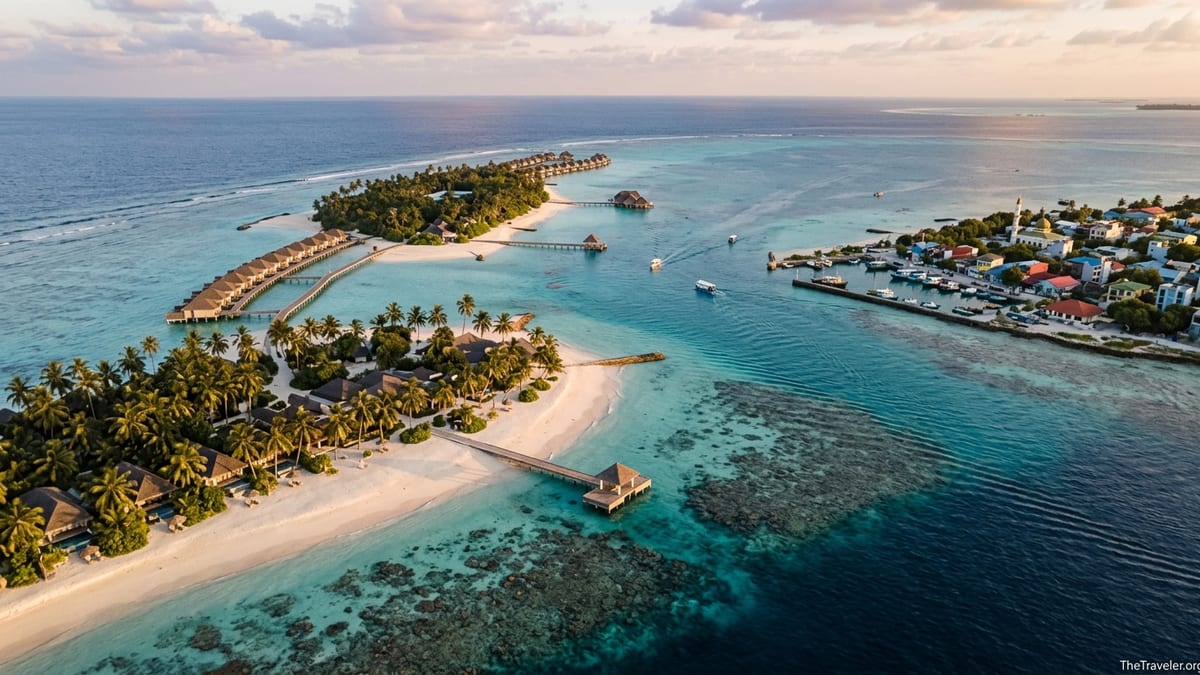
Understanding the Maldives: Atolls, Resort Islands and Local Islands
The Maldives is made up of 26 natural atolls stretching north to south across the Indian Ocean, with more than 1,000 islands scattered over hundreds of kilometers. Only a portion of these islands are inhabited, and an even smaller number are developed as standalone resort islands where the entire island is one hotel. Popular atolls for first-timers include North Malé and South Malé, which are close to Velana International Airport, as well as Ari (split into North Ari and South Ari), Baa and Lhaviyani, which are known for rich marine life and classic lagoon scenery.
Tourism historically focused on resort islands, where visitors stayed in beach villas and overwater bungalows isolated from local communities. Regulations changed in the late 2000s to allow guesthouses on inhabited local islands, turning places like Maafushi in South Malé Atoll and Thulusdhoo in North Malé Atoll into budget-friendly bases. On a resort island such as Kurumba Maldives near Malé or Kuredu Island Resort in Lhaviyani Atoll, everyone around you is a guest or staff member. On a local island such as Dhigurah in South Ari or Ukulhas in North Ari, you stay in small hotels or guesthouses among Maldivian families, walk past local schools and mosques, and use designated “bikini beaches” for sunbathing in swimwear.
For a first-time visitor, the key distinction is control versus simplicity. A resort island bundles everything into one place: rooms, restaurants, spa, dive center and activities. Local islands offer more freedom to choose where you eat and which excursions to book, but you must navigate more logistics yourself. Understanding how these two models differ in practice will help you make a clear, confident choice for your first trip.
Resort Islands: Convenience, Privacy and Classic Overwater Villas
Staying on a resort island is the image most people have when they think of the Maldives: rows of overwater villas like those at Adaaran Prestige Vadoo in South Malé Atoll or Centara Ras Fushi (an adults-only property), powder-fine white sand, and a house reef you can snorkel from your villa steps. These islands are self-contained. For example, a resort like Reethi Beach in Baa Atoll or Sun Siyam Olhuveli in South Malé Atoll will typically have several restaurants, at least one bar, a spa, water sports center, and a dive school on-site. You charge almost everything to your room and settle your bill at the end.
The atmosphere on resort islands is often quieter and more curated than on local islands. Some focus on honeymooners and couples, with candlelit dinners and private plunge pools, such as many properties in Baa or Raa Atolls. Others lean family-friendly with kids’ clubs, shallow lagoons and multi-bedroom villas. Because most resort islands are the only development on their respective islands, beaches tend to feel uncrowded even when occupancy is high. You will not see local shops or independent restaurants; instead, your dining options are whatever the resort offers.
Cost is where many first-timers feel sticker shock. Nightly rates for entry-level beach rooms at midrange resorts near Malé can start around the low hundreds of US dollars in the off-season and climb to many hundreds or over a thousand per night in peak months. Overwater villas are almost always more expensive than garden or beach rooms. On top of room prices, many resorts encourage or require meal plans such as half board, full board or all-inclusive, which can add a substantial amount per day but give clearer cost control once you are on the island.
Transfers are another factor. Resorts close to Malé, such as those in North and South Malé Atolls, usually use shared speedboats. Recent examples show round-trip speedboat transfers costing roughly 200 to 300 US dollars per adult for resorts within easy reach of the airport, with some promotions including free transfers for certain booking periods. Seaplane transfers to farther atolls like Baa, Raa or Lhaviyani are more expensive, commonly adding several hundred dollars per person round-trip. These transfer costs are not optional and must be booked through the resort, so they belong in your upfront budget calculations.
Local Islands and Guesthouses: Budget-Friendly and Closer to Daily Life
Local islands opened to tourism later and offer a completely different feel from resorts. Islands such as Maafushi, Gulhi and Guraidhoo in South Malé Atoll, Thulusdhoo in North Malé Atoll, Ukulhas and Rasdhoo in North Ari, and Dhigurah in South Ari have developed clusters of guesthouses and small hotels that cater to independent travelers, backpackers, and budget-conscious holidaymakers. Instead of walking to an all-you-can-eat buffet, you might stroll to a small café run by a local family for grilled fish and fresh lime juice, then book a whale shark trip at a stand on the main street.
Guesthouse prices are far more accessible than most resort stays. Surveys of booking platforms in 2026 show weekend nightly averages around 80 to 100 US dollars for a comfortable double room on some atolls, with basic options occasionally dropping below that in low season and more stylish boutique properties costing a bit more. On Maafushi, for instance, you can find modern, air-conditioned rooms with breakfast included at prices that compete with midrange city hotels in Southeast Asia, while Dhigurah and Ukulhas often draw visitors willing to pay slightly higher guesthouse rates in exchange for quieter beaches and strong snorkeling.
Staying on a local island does come with cultural considerations. Most residents are Muslim, and outside the designated tourist bikini beaches you are expected to dress modestly. Alcohol is not sold in island shops or restaurants; if you want a drink, some islands have offshore “floating bars” on boats anchored beyond the harbor, accessed by short shuttle rides. Friday prayer time may affect ferry schedules and local business hours. For many travelers these are part of the appeal, offering insight into daily Maldivian life rather than a bubble of resort luxury, but it is important to arrive with appropriate expectations.
Transfers to local islands are more varied. Some, like Maafushi and Thulusdhoo, are reachable by both slow public ferries and faster shared speedboats from Malé. A one-way public ferry ticket might cost only a few US dollars but take 1.5 to 3 hours and run on limited schedules, while shared speedboats charge in the region of 25 to 40 US dollars one way per person and depart several times per day. Farther local islands, such as some in Ari or the southern atolls, may require a domestic flight plus local boat, which increases both cost and travel time, though still typically less than an equivalent seaplane transfer used by some resorts.
How to Choose the Right Atoll and Island for Your First Trip
For a first-time visitor, the most useful question is not just “resort vs local” but “what kind of trip do I want, and how much transit am I truly willing to handle after a long international flight?” Atolls closest to Malé Airport, like North and South Malé, are ideal if you dislike extra flights. Many islands there are reachable by speedboat in under an hour. Resort examples include Kurumba and Sheraton Maldives Full Moon in North Malé, or Sun Siyam Olhuveli in South Malé; local islands include Maafushi, Gulhi and Guraidhoo. These areas are convenient and relatively budget-friendly on transfers, but they are also among the busiest and most developed.
If snorkeling and diving are your top priorities, look at atolls known for strong house reefs and megafauna. South Ari Atoll is a classic choice because of its reputation for year-round whale shark encounters, with local islands such as Dhigurah and Dangethi and resorts like Lux South Ari and Centara Grand Island acting as bases for daily excursions. Baa Atoll is famous for manta rays, particularly around Hanifaru Bay in season, typically from about June to November when plankton blooms attract large numbers of mantas. Resorts like Reethi Beach, Kihaad Maldives and several others, as well as a handful of local islands with guesthouses, use speedboats to reach these feeding sites.
Travelers seeking a quieter, slightly more remote atmosphere but still wanting manageable transfers might consider Lhaviyani or Raa Atolls, reached by seaplane from Malé. Islands such as Kuredu in Lhaviyani or Emerald Maldives in Raa offer long beaches and expansive lagoons that feel far from the capital. At the far southern end of the country, Addu Atoll and Gaafu Atoll provide a different flavor again, with domestic flights from Malé and more spread-out development. Because these southern atolls sit closer to the equator and away from the busiest tourist corridors, they appeal to divers looking for less trafficked reefs and more advanced drift dives.
When comparing islands, also check how exposed they are to currents and wind. Outer reef-edge resorts in South Ari or some parts of Baa Atoll, for example, can have excellent drop-off snorkeling right off the beach but choppier water in certain monsoon seasons. Lagoon-side resorts on sheltered sides of atolls usually offer calmer swimming but sometimes less dramatic house reefs, meaning you may rely more on boat excursions for the best snorkeling or diving. Reading recent guest reviews that specifically mention house reef quality, beach erosion and seagrass will give you a more accurate picture than older guidebooks.
Beaches, Snorkeling and Diving: What First-Timers Should Expect
Every brochure shows the same brilliant turquoise water and white sand, but beach and reef quality varies more than first-timers realize. Some resort islands, particularly older ones, have experienced erosion and now use sandbags or artificial structures to protect the shore, which can affect the natural look of the beach. Others have wide, powdery sand with little need for intervention. On local islands, you will often find one designated bikini beach with loungers and umbrellas, plus other stretches of shore where local dress codes apply. Dhigurah is known for having a particularly long, scenic beach that runs much of the island’s length, while Maafushi’s main bikini beach is compact but lively, with music and water sports nearby.
For snorkeling, the ideal is a “house reef” that drops into deeper water close to shore. Islands on the outer edges of atolls often have this feature, letting you swim out from the beach, cross a shallow sandy area and quickly reach coral walls. Many South Ari properties and some Baa Atoll resorts fit this profile. Other islands sit in large lagoons with sandy bottoms and seagrass, which attract turtles and rays but may not have dramatic coral formations right off the shore. In these cases, you will rely on boat trips to nearby reefs. Before booking, look at recent photos and descriptions of the house reef, because coral bleaching events over the past decade have affected reef color and fish life unevenly across the country.
Diving in the Maldives is world-class but also seasonal. Currents vary between the northeast monsoon season, typically late December to April, and the southwest monsoon, roughly May to October. Some channels and outer reefs are known for shark encounters and fast drifts; places like Fotteyo Kandu in Vaavu Atoll or certain passes in North and South Ari are regular features on dive itineraries. First-time visitors who are already certified divers may want to pick an island with an on-site PADI or SSI dive center that offers both easy reef dives and more advanced channel dives. Beginners can complete an open water course over several days, often starting with lagoon sessions before progressing to gentle reef sites.
Even if you never plan to dive, you should budget for at least one or two boat excursions dedicated to snorkeling or marine life watching. Trips to see whale sharks from Dhigurah or other South Ari bases, manta cleaning stations in Baa Atoll, or simple half-day snorkel safaris visiting several reefs are standard offerings both on resorts and local islands. Prices vary widely: a half-day shared snorkel trip from a local island might cost in the range of 35 to 60 US dollars per person, whereas private boat charters from high-end resorts can run into the hundreds. Ask how many people will be on the boat and whether equipment is included or better brought from home.
Getting Around: Ferries, Speedboats, Seaplanes and Domestic Flights
Most first-time visitors underestimate how central transfers are to a Maldives itinerary. The country stretches over hundreds of kilometers, and there are no bridges between atolls. Aside from a few short road links near Malé, all travel is by boat or plane. The type of transfer you use will depend on where you stay. Islands within roughly 30 to 50 kilometers of Malé are commonly served by shared speedboats; farther atolls may involve domestic flights or seaplanes. The key is coordinating your international arrival and departure times with these onward connections, as seaplanes operate only in daylight hours and public ferries follow fixed schedules that do not adapt to flight delays.
Public ferries are the cheapest option but also the slowest and least flexible. Operated by companies such as MTCC and other regional carriers, they connect Malé to many inhabited islands on routes that may run only a few times per week or once per day. A ticket from Malé to a nearby island often costs just a few US dollars equivalent, paid in local currency at the terminal. These ferries are basic but reliable when the weather is calm. However, a late evening flight arrival can mean an overnight stay in Malé or Hulhumalé before you can board a ferry the next day, which eats into precious vacation time.
Shared speedboats bridge the gap between cost and convenience. For example, many guesthouses on Maafushi and Thulusdhoo coordinate with speedboat operators who run several services per day, charging a per-person rate that is higher than the ferry but far lower than private charters. On the resort side, speedboat transfers are usually arranged automatically when you book your stay, with prices quoted per adult and child. Recent rate sheets show round-trip airport speedboat transfers for midrange resorts near Malé typically starting in the low hundreds of dollars per adult, sometimes included free as part of special packages during shoulder seasons.
Seaplanes and domestic flights come into play when you head farther afield. Seaplane operators based near Malé use small aircraft that land directly at resort jetties or nearby platforms. According to 2026 pricing guides, round-trip shared seaplane transfers can range from roughly the mid-hundreds to close to 1,000 US dollars per adult depending on distance and resort category. Domestic flights use conventional runways on regional airports such as those in Dharavandhoo (Baa Atoll), Maamigili (South Ari), Kooddoo (Gaafu Alif) or Gan (Addu Atoll), followed by a shorter speedboat ride to your island. These combinations sometimes undercut seaplane prices but still represent a significant part of a Maldives budget.
Realistic Costs and How to Match Your Budget to the Right Island
To decide whether the Maldives fits your budget, it helps to sketch a realistic per-day cost based on your preferred style of travel. A relatively budget-minded couple staying on a local island like Maafushi or Ukulhas might pay around 90 US dollars per night for a guesthouse room including breakfast, another 20 to 40 dollars per person per day for simple restaurant meals and snacks, and 30 to 60 dollars each for occasional excursions such as a half-day snorkel trip or sandbank visit. Shared speedboats in and out might add around 50 to 80 dollars per person round-trip, depending on distance and operator. Over a week, this adds up to roughly the cost of a midrange city break in Europe or North America rather than a once-in-a-lifetime splurge.
On a midrange resort near Malé, the numbers look quite different but can still be manageable if carefully planned. Suppose you find an off-season offer around 250 to 350 US dollars per night for a beach villa at a resort like Olhuveli, including breakfast. Add a half-board or full-board meal plan at, say, 70 to 120 dollars per person per day, plus round-trip speedboat transfers around 200 to 300 dollars per adult. Soft drinks, occasional cocktails, and one or two paid excursions per stay will raise the total further. A week for two can easily climb into several thousand dollars, especially in peak season from roughly late December to March.
High-end and ultra-luxury resorts, particularly those with all-villa setups and private pools in Baa, Raa or Noonu Atolls, can cost several times more again. Nightly rates in the four-figure range, exclusive seaplane transfers, private butlers, and gourmet dining are common in this segment. For many first-timers, this level exceeds their budget but can work for a short three- or four-night splurge combined with a more modest stay elsewhere. One popular pattern is to spend a few nights on a local island such as Dhigurah or Rasdhoo to enjoy whale sharks and local life, then finish with two or three nights in an overwater villa at a midrange resort closer to Malé to keep transfer costs reasonable.
Whatever your budget, factor in small but cumulative expenses: snorkel gear rental if you do not bring your own, reef-safe sunscreen which can be more expensive on islands than at home, potential luggage fees for domestic flights or seaplanes, and the 10 percent service charge plus goods and services tax commonly applied to bills. Checking whether your booking already includes these charges avoids surprises at checkout. It is also sensible to keep a cushion for weather-related disruptions, such as having to stay an extra night near the airport if the sea is too rough for your onward transfer.
Sample Itineraries and Decision Tips for First-Time Visitors
To make the logistics feel more concrete, imagine three example itineraries. A short-value escape might be four nights on Maafushi. You arrive in Malé midday, board a shared speedboat for about 30 to 40 minutes, and check into a guesthouse for around 90 to 120 US dollars per night. Over the next days you book a whale shark or manta excursion if conditions allow, try a sandbank picnic, and spend evenings in simple but friendly beachfront cafés. Total costs stay modest, and you get a taste of Maldivian daily life with some classic turquoise-lagoon backdrops.
A balanced “best of both worlds” trip could be eight nights split between a local island and a resort. For example, four nights on Dhigurah in South Ari Atoll followed by four nights at a midrange resort in South Malé. You might take a domestic flight from Malé to Maamigili on arrival, then a short boat to Dhigurah, spending days snorkeling in search of whale sharks and evenings walking the long beach. After four nights, you return via Malé and board a speedboat to your resort, finishing the trip with an overwater villa experience and all-inclusive meals. The logistics require more planning, but you gain both authenticity and indulgence without committing to a full week of high resort prices.
A classic honeymoon or special-occasion itinerary might focus entirely on one resort with an excellent house reef to minimize movement. You could choose a seaplane-access resort in Baa or Lhaviyani Atoll, accept the higher transfer cost as the price of seclusion, and plan six to eight nights alternating between beach and overwater villas if the budget allows. You would schedule a couple of private dinners, a spa day, and two or three boat trips to nearby reefs or manta spots, then fly back to Malé for your international departure. This type of itinerary is simple to execute if you are comfortable with the overall cost and less interested in seeing local islands.
When deciding among these options, consider how much energy you will have after your long-haul flight. A complex chain of connections involving a domestic flight plus speedboat on the same day can feel exhausting after overnight travel, so some visitors choose to spend their first night in a hotel in Hulhumalé to recover before transferring the next day. Also think about what “success” looks like for the trip. If you would regret leaving the Maldives without ever staying in an overwater villa, it might be worth trimming the trip by a night or two or choosing a less expensive resort to make that experience possible. If instead you love the idea of chatting with local café owners and riding ferries between islands, prioritize well-connected local atolls even if you skip the resort experience altogether.
FAQ
Q1. Is it better for first-time visitors to stay on a resort island or a local island?
There is no single best choice. Resort islands are simpler and more private, with everything packaged on one island, which suits honeymoons and travelers who prefer an all-inclusive feel. Local islands are cheaper and more immersive, letting you eat at small restaurants, ride public boats and see daily Maldivian life. Many first-timers split their stay between a few nights on a local island like Maafushi or Dhigurah and a few nights at a midrange resort near Malé.
Q2. How much should I budget per day in the Maldives?
On a local island, a realistic daily budget for a couple might start around 150 to 250 US dollars including guesthouse, meals and one or two shared excursions across the week. On a midrange resort with meal plans and transfers, that figure can rise to several hundred dollars per day or more. Ultra-luxury properties can cost many times that. Exact numbers depend on travel dates, offers and how often you book paid activities or drinks.
Q3. Are seaplane transfers worth the extra cost?
Seaplane flights are scenic and save time for faraway atolls, but they significantly increase trip cost. If your dream resort is only reachable by seaplane and you value remoteness, the expense can be justified for a short stay. If you mainly care about beach time and snorkeling, a good speedboat-access resort in North or South Malé Atoll or a domestic-flight-access island in Ari or Baa may offer a similar experience at lower transfer prices.
Q4. Can I drink alcohol on local islands?
Alcohol is not served in regular cafés, restaurants or shops on inhabited local islands due to local laws. Some islands have offshore “floating bars” on boats where alcohol is available, accessed by short shuttle rides, but these are separate from the island itself. If having drinks by the pool or with dinner is important to you, a resort island will be a more straightforward choice.
Q5. Do I need to be an experienced swimmer to enjoy the Maldives?
Strong swimming skills are helpful but not strictly required. Many resorts and local islands have shallow lagoons where you can wade and use life jackets for extra buoyancy during guided snorkel trips. However, house reefs often involve currents and deeper water, so if you are not confident in the ocean, choose an island with calm, shallow areas and book excursions that specifically cater to beginners.
Q6. When is the best time of year to visit the Maldives?
The classic high season runs roughly from late December to April, when weather is often drier and seas can be calmer in many atolls, which also means higher prices. The rest of the year brings more changeable conditions, including short, intense showers and occasionally rougher seas, but also lower room rates and good chances to see manta rays in places like Baa Atoll. Marine life is present year-round, so the best time depends on your budget and tolerance for mixed weather.
Q7. Can I hop between islands easily once I am there?
Island-hopping is possible but slower and more structured than in some other countries. Within the same atoll, guesthouses can help you arrange local speedboats between islands, and some public ferries link multiple stops on set days. Crossing between distant atolls often requires returning to Malé and starting again, or using domestic flights. For a first visit, it is usually simpler to focus on one or two islands in the same region rather than trying to see many.
Q8. Are the Maldives suitable for families with children?
Yes. Many resorts cater strongly to families, with kids’ clubs, shallow lagoons, child-friendly pools and flexible dining. Some local islands also work well for families who are comfortable with simpler infrastructure and cultural norms such as modest dress outside bikini beaches. Parents should pay attention to transfer times, as long boat rides or multiple flights can be tiring for young children.
Q9. How do I choose an island with good snorkeling?
Look for mentions of a strong house reef close to shore and recent reviews that highlight healthy coral, plenty of fish and easy access. Outer-reef islands in South Ari, Baa, parts of Lhaviyani and some Malé atoll islands are often praised for snorkeling, but conditions change over time. If snorkeling is your top priority, email potential accommodations and ask how far the main snorkel sites are from the beach and what typical visibility and currents are like during your travel month.
Q10. Is it possible to visit the Maldives on a tight backpacker budget?
It is more expensive than many parts of Southeast Asia, but local islands have made backpacking much more realistic. By choosing guesthouses in places like Maafushi, Thulusdhoo or Rasdhoo, riding public ferries when schedules fit, sharing excursions with other travelers and limiting paid activities, you can keep daily costs relatively contained. You may not stay in an overwater villa, but you will still enjoy white-sand beaches and clear lagoons.