


Choosing between Maafushi, Dhigurah and Thoddoo can feel like a classic Maldives dilemma: do you want easy tours and buzz, wild marine life, or palm-fringed farms and quiet beaches? All three are local islands with guesthouses rather than luxury resorts, but each offers a very different experience. This guide compares them side by side so you can decide which island is genuinely better for your style of trip, budget and priorities.
Island Atmosphere: Tourist Hub vs Laid-back Villages
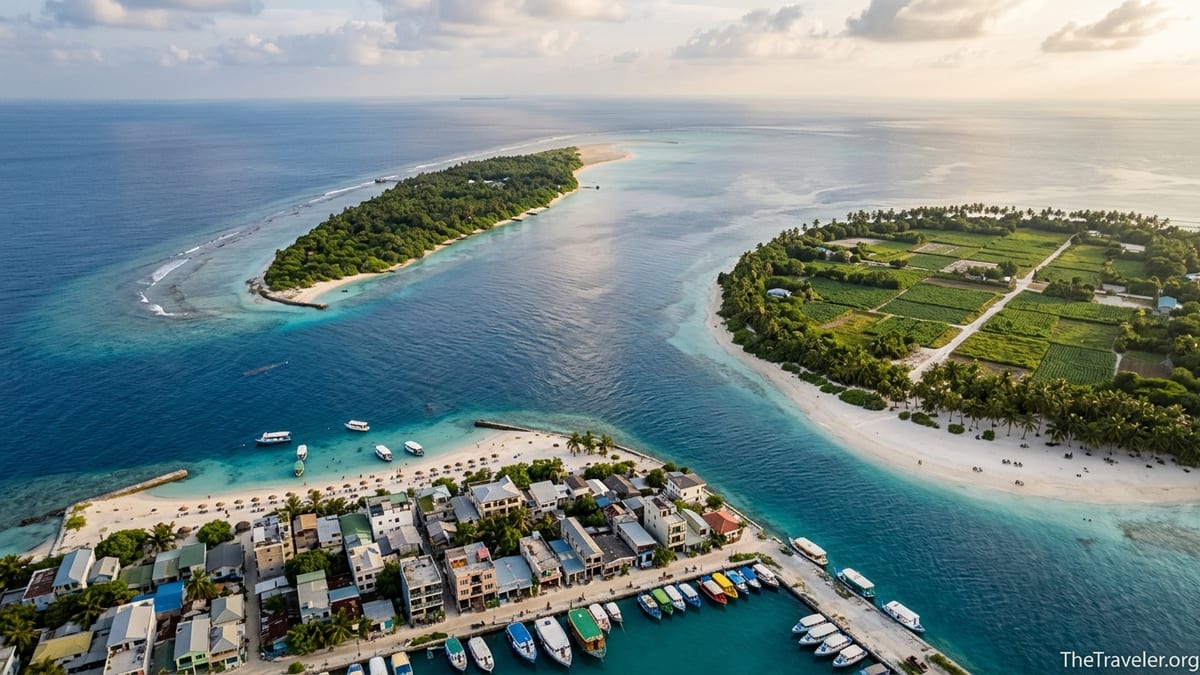
Maafushi in South Male Atoll is the busiest and most developed of the three. It has dozens of guesthouses, a small strip of low-rise hotels along the shoreline, several dive centers, souvenir shops and a lively bikini beach. In the evenings, barbecue dinners line the sand, floodlights illuminate the shore and speedboats come and go from nearby resort islands. If you picture walking out of your guesthouse and choosing between multiple cafés for coffee, gelato or a simple curry, Maafushi delivers that classic budget-tourism energy.
Dhigurah in South Ari Atoll feels more like a long, sleepy village wrapped in jungle. The island stretches for almost 3 kilometers, with a sandy main street, a handful of small cafés and guesthouses scattered among coconut palms. At the southern tip, a sandbank and wide lagoon open to the protected whale shark area. Nights are quiet, more about stargazing and an early start for snorkeling than nightlife. It suits travelers who want boat trips and marine life access without the density of shops and day trippers Maafushi attracts.
Thoddoo, in Alif Alif Atoll, stands out because it is primarily an agricultural island. Much of the land is covered in watermelon and papaya fields, with sandy tracks running between farms. The village feels compact and local, while the tourist infrastructure sits on the edges in the form of small guesthouses and paths leading to a deep, powdery bikini beach. Even at peak times, the atmosphere is calm and plant-filled, with bicycles leaning against palm trees and farmers transporting crates of fruit on small trailers.
For travelers who like a buzz and choice of services, Maafushi is the clear winner. For those who prefer a lived-in village vibe with nature all around, Dhigurah and Thoddoo offer a more low-key and local-feeling stay.
Beaches, Lagoons and Snorkeling
All three islands have designated bikini beaches where tourists can swim in regular swimwear. Maafushi’s bikini beach is compact but convenient, just a few minutes’ walk from most guesthouses. The lagoon here is shallow with a turquoise sand bottom and a few patches of coral. You can snorkel off the beach and see reef fish, but most people book boat trips to reach healthier outer reefs, shipwreck sites and shark channels where visibility and coral are significantly better.
Dhigurah has a longer, wilder stretch of sand. The bikini beach runs along the western side of the island, with powdery sand and a wide lagoon dropping off to deeper blue water. The nearby house reef supports turtles, reef sharks and healthy coral in places, and most guesthouses can arrange a short boat ride to more dramatic walls and channels. The key advantage is proximity to the South Ari Marine Protected Area, where whale sharks are seen year-round and manta rays are often spotted in season, turning simple snorkel trips into big-animal encounters.
Thoddoo is frequently singled out by independent travelers for having one of the most beautiful local-island beaches in the country. The main tourist beach is set slightly away from the village, reached via sandy paths through fruit farms or by bicycle. Palm trees lean over a broad sandbank, the lagoon is clear and calm, and the reef edge is close enough for easy snorkeling. Turtles and reef fish are commonly seen just off the beach, and guesthouses organize short boat rides to manta cleaning stations and other reefs in the atoll when sea conditions and seasons allow.
If your main priority is snorkeling with whale sharks and mantas, Dhigurah has the edge because of its location inside the South Ari protected area. Thoddoo offers the most picturesque, relaxed beach days, while Maafushi is best viewed as an easy base for boat trips rather than a top-tier beach in its own right.
Whale Sharks, Big Marine Life and Excursions
Whale sharks are the main draw for many travelers choosing among these islands. Dhigurah sits at the heart of the South Ari Atoll Marine Protected Area, a globally important aggregation site for whale sharks where sightings occur year-round. Most guesthouses work with local boat crews who monitor radio chatter and previous sighting locations. A typical half-day whale shark trip from Dhigurah includes multiple searches along the reef edge and the chance to jump in quickly when a shark is spotted, often combined with a second stop at a reef or sandbank.
From Maafushi, whale shark excursions are also possible but involve a long speedboat journey to South Ari or other atolls, often packaged as full-day trips that include lunch and multiple snorkeling stops. Prices on Maafushi are usually competitive because several operators run similar itineraries, but travel time means you spend more of your day on the boat and less in the water than if you start directly from Dhigurah or another South Ari island.
Thoddoo does not sit inside the main whale shark corridor, so whale shark trips usually involve chartering a bigger excursion that may combine several experiences, such as manta snorkels and sandbank visits. Many visitors to Thoddoo focus instead on local snorkeling, farm visits, dolphin cruises and perhaps a single longer excursion rather than building their entire itinerary around whale sharks.
For divers, Maafushi wins on range and frequency of dive options, with several dive centers advertising daily trips to wrecks and channels. Dhigurah offers fewer shops but more dramatic pelagic encounters, especially for intermediate divers who want a mix of reefs, channels and possible whale shark dives. Thoddoo has a smaller dive scene, which can suit beginners who prefer quiet, shallow reefs and smaller groups.
Guesthouses, Restaurants and Everyday Costs
Maafushi has the widest range of accommodation, from simple rooms starting around a modest nightly rate in low season to midrange beachfront guesthouses that feel close to small hotels. Many properties include breakfast, with buffet dinners or barbecue nights offered at an extra per-person charge. Because there are multiple dive shops and tour desks, excursions such as dolphin cruises, sandbank picnics and reef snorkeling have become price-sensitive, and it is common to see promotions and bundled offers advertised along the main beach road.
On Dhigurah, guesthouses tend to be smaller and more personal. You will find intimate four-room properties near the beach, simple family-run stays in the village and a handful of slightly larger boutique options. Prices per night are often a little higher than on Maafushi for similar comfort, reflecting both the smaller number of rooms and the premium of being near the whale shark area. Restaurants are limited but growing: expect a couple of cafés serving Western-style dishes, some local eateries with rice and curry, and guesthouse kitchens that prepare set meals or simple a la carte menus on request.
Thoddoo’s guesthouse scene has expanded quickly and now includes many small properties tucked among coconut groves and farms. Double rooms in low or shoulder season can start at budget-friendly levels, climbing to midrange prices for newer or more stylish stays. Dining options are modest but improving, with local cafés serving grilled fish, fresh fruit juices and Maldivian short eats, and some guesthouses offering set dinner menus that feature fruit grown on the island. Because the island grows much of its own produce, fruit platters are often generous and affordable compared with some resort islands.
In all three places, day-to-day expenses are much lower than at private resorts. Snacks, simple meals and bottled water are reasonably priced by Maldivian standards, and many guesthouses include free use of snorkel gear or bicycles. Where you will notice differences is in activity costs: Maafushi tends to have the lowest excursion prices because of competition, Dhigurah’s whale shark trips command a premium, and Thoddoo’s prices sit somewhere in between depending on how specialized the trip is.
Transfers, Practicalities and Crowds
From Male, Maafushi is the easiest and busiest to reach. Public speedboats make the journey several times a day in around 30 minutes, and many private charters and resort transfers share similar routes. This convenience means Maafushi can feel crowded at popular times of year, particularly from December to April and during holiday periods when regional tourists arrive in groups for short stays.
Dhigurah takes longer to reach. Most travelers use scheduled speedboats from Male or from a nearby domestic airport linked by short flights from the capital. The journey by speedboat typically lasts around one and a half to two hours depending on sea conditions and route. Boats can be choppy in rough weather, so some visitors prefer to split the trip with a domestic flight to the nearest airstrip and a shorter transfer boat. Overall arrival is straightforward but involves more planning and cost than the quick hop to Maafushi.
Thoddoo sits around an hour and 20 minutes to two hours from Male by speedboat, depending on the operator and sea state. Several daily services run most days of the week, and many guesthouses will book transfers on your behalf and coordinate meeting points at the harbor. There is also a slower, cheaper public ferry option on limited days, which can appeal to long-stay travelers on strict budgets who do not mind spending several hours at sea.
In terms of crowds, Maafushi is undeniably the busiest, with day trippers from nearby islands and a dense concentration of guesthouses. Dhigurah feels much quieter, especially away from the small harbor and central village; you can often walk along sections of beach with only a few other people around. Thoddoo sits in the middle: it has grown more popular in recent years, but its farmland and spread-out guesthouses prevent it from feeling built up, and the main bikini beach still retains a relaxed, uncrowded atmosphere compared with many resort islands.
Agriculture, Greenery and Local Culture
Thoddoo is the clear standout when it comes to agriculture and greenery. It is widely recognized within the Maldives as the largest producer of watermelons and also exports papaya, pumpkins and other vegetables to surrounding islands. Visitors routinely mention walking or cycling along sandy tracks bordered by tall papaya trees and watermelon fields, sometimes stopping to buy fruit directly from farmers or to see how irrigation channels and shade cloth are used to protect crops from the tropical sun. The result is an island that feels lush and productive, with the scent of earth and vegetation mixing with sea air.
On Dhigurah, the greenery is more about wild jungle and coastal vegetation than formal agriculture. Coconut palms, pandanus and sea-almond trees line much of the beach, while the center of the island holds village houses, a school and a mosque surrounded by dense foliage. You may see small kitchen gardens and a few patches of crops, but fishing and tourism are the main economic activities rather than large-scale farming. This gives Dhigurah a feeling of natural, slightly untamed greenery, especially along the less-developed stretches of sand.
Maafushi has pockets of greenery and palm trees but is by far the most built-up. The island’s central streets host small supermarkets, souvenir stalls and multi-story guesthouses. While there are still trees and a compact village, the overall impression is more urban compared with Dhigurah and especially Thoddoo. For some travelers, this is a fair trade for convenience and choice; for others, the concrete and construction can detract from the desert-island fantasy they imagined.
In all three islands, local culture is present in the call to prayer from mosques, evening gatherings on harbor walls and the friendly curiosity of residents. Dress modestly away from bikini beaches and respect local customs such as not drinking alcohol in public, and you will find each community welcoming in its own distinct way.
Which Island Suits Which Traveler?
If you are a first-time visitor to the Maldives on a tight budget who wants easy access to tours, Maafushi is often the most practical choice. You can land in Male, board a scheduled speedboat and be on the beach within an hour or so. Once there, you have multiple dive shops, tour operators and restaurants to choose from, making it simple to pack your days with activities like turtle snorkeling, sandbank picnics and sunset cruises without pre-booking everything in advance.
Dhigurah is ideal for nature-focused travelers and underwater enthusiasts who prioritize whale sharks and mantas over nightlife and shopping. Couples, small groups of divers and serious snorkelers who are comfortable with a slightly higher budget and longer transfer will appreciate waking up close to the South Ari Marine Protected Area. Staying several nights increases your chances of a good whale shark encounter, and the long, quiet beach is perfect for late-afternoon swims after morning excursions.
Thoddoo suits travelers seeking a slower pace, beautiful beaches and a unique mix of farm landscapes and coral lagoons. It is particularly appealing for couples and long-stay guests who like to spend days cycling to the beach, reading in the shade and sampling fresh fruit and simple Maldivian food. Families also value the calm lagoon and shaded paths, though facilities like large playgrounds and big resort-style kids’ clubs are absent.
For some visitors, a combination trip works best. For example, spending a few nights in Maafushi for convenient and affordable excursions, then moving on to Thoddoo for quieter beach time, or pairing Dhigurah’s whale shark focus with a final few nights on a nearer-to-Male island to simplify departure. Because all three are local islands with comparatively affordable guesthouses, combining them is significantly cheaper than stringing together multiple luxury resorts.
The Takeaway
There is no single “best” island among Maafushi, Dhigurah and Thoddoo; there is only the island that best fits what you want most from your Maldives trip. Maafushi offers the greatest convenience, choice and tour infrastructure, with competitive prices and a busy, social atmosphere that many budget travelers enjoy. It is an easy introduction to local-island travel, though not the place for those seeking solitude.
Dhigurah, anchored inside the South Ari whale shark corridor, is the standout option for travelers whose dream is to swim alongside the world’s largest fish and spend their days moving between colorful reefs and sandbanks. It costs more to reach and stay than Maafushi on average, but for dedicated snorkelers and divers, that extra investment often feels justified by the quality of the marine life.
Thoddoo offers perhaps the softest, most romantic combination of elements: a broad, postcard-perfect bikini beach, a quiet village and a lush interior filled with watermelon and papaya fields. It is not the island for nightlife or constant organized activities, but for slow mornings, long swims and sunset walks through palm and fruit groves, many visitors find it the most memorable of the three.
Think about whether your priority is tours and convenience, big-animal encounters or relaxed, green surroundings. Match that to Maafushi, Dhigurah or Thoddoo, and the question of which island is better becomes simple: the best one is the one that matches how you actually like to travel.
FAQ
Q1. Is Maafushi, Dhigurah or Thoddoo best for a first trip to the Maldives?
Maafushi is usually the easiest for a first trip because transfers are short, there are many guesthouses and tour desks, and you can book most activities on arrival.
Q2. Which island is best for seeing whale sharks?
Dhigurah is the strongest choice because it sits right beside the South Ari whale shark aggregation area, so boat trips to the main spotting zone are short and frequent.
Q3. Where will I find the most beautiful beach?
Beauty is subjective, but many independent travelers praise Thoddoo’s long, palm-fringed bikini beach and clear lagoon as one of the prettiest on any local island.
Q4. Which island is cheapest overall?
Maafushi often works out cheapest for short trips because transfers are inexpensive and competition keeps excursion prices relatively low, though budget rooms exist on all three islands.
Q5. Is it easy to get vegetarian or vegan food?
All three islands can provide basic vegetarian options like vegetable curries and rice, but Dhigurah and Maafushi have a slightly wider choice of cafés; strict vegans should message guesthouses in advance.
Q6. Can I visit more than one of these islands in a single trip?
Yes, many travelers combine two islands, such as Maafushi plus Thoddoo or Maafushi plus Dhigurah, using scheduled speedboats or domestic flights linked with boat transfers.
Q7. Are these islands suitable for families with children?
They can be, especially Thoddoo and Maafushi with their calm lagoons and easy services, but facilities are simpler than in private resorts and parents need to supervise children closely.
Q8. Do I need to book excursions in advance?
On Maafushi you can usually book on arrival, while on Dhigurah and Thoddoo it is wise to ask your guesthouse to hold spots on popular trips like whale shark or manta excursions.
Q9. What should I wear on local islands?
Outside the bikini beach, dress modestly in light clothing that covers shoulders and thighs; swimwear is only for designated tourist beaches and boat trips.
Q10. Is alcohol available on Maafushi, Dhigurah or Thoddoo?
No, alcohol is not sold on local islands, though some offshore “floating bars” or resort visits may be arranged; check current options with your guesthouse before you travel.