

The central Maldives is where most first-time visitors land, and for many, it is the only slice of the country they ever see. North and South Malé, Ari, Vaavu and Meemu Atolls together offer a mix of world-class resorts, budget friendly local islands, legendary reefs and surf breaks, plus relatively easy transfers from the international airport. This guide focuses on these central atolls, using current, real-world examples to help you plan a first Maldives trip that fits your budget and travel style.
Understanding the Central Atolls
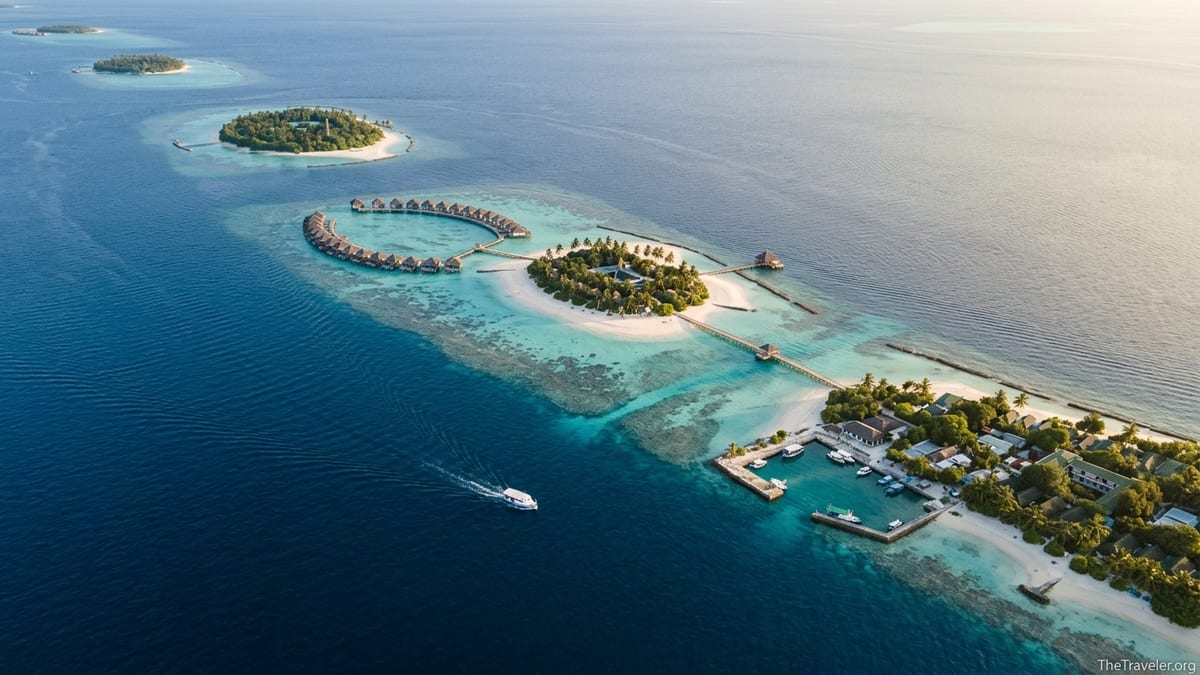
When people talk about the Maldives, they often picture overwater villas in a turquoise lagoon. In reality, the country is a long chain of atolls stretching more than 800 kilometers, and what first-timers usually experience is its central section. This includes North Malé Atoll (home to Velana International Airport and the capital Malé), South Malé Atoll just across the Vaadhoo Kandu channel, plus Ari, Vaavu and Meemu further south and west. Most international visitors stay somewhere within a 30 to 60 minute speedboat or a short seaplane ride of the airport, which is why these atolls have the greatest choice of accommodation and activities.
Each atoll has a distinct feel. North Malé is busy and convenient, with a high concentration of upscale resorts and some of the country’s most famous surf breaks. South Malé is slightly quieter but still within fast-boat reach, popular with midrange resorts and guesthouses. Ari Atoll, one of the largest atolls in the Maldives, stretches west of Malé and is widely regarded as the central hub for whale shark and manta encounters, particularly around South Ari. Vaavu and Meemu lie to the south and are known for clear channels, sharky drift dives and a more off the beaten path atmosphere compared with the airport atolls.
For a first visit, you will most likely choose either a resort island or a local island guesthouse in one of these atolls, then build activities around that base. Travel times are shorter than to the far north or deep south atolls, which keeps transfer costs down and makes it realistic to visit for as little as four or five nights. At the same time, the variety of marine life, beaches and reef systems means you can easily fill a week or more without feeling limited.
Choosing Between Resorts and Local Islands
The first big decision for most visitors is whether to stay on a private resort island or a local inhabited island. Resorts dominate North and South Malé and much of Ari Atoll. They vary from relatively simple four star properties to high luxury brands with villas that can sell for several thousand US dollars per night in peak season. In contrast, local islands such as Maafushi in South Malé, Thulusdhoo and Himmafushi in North Malé, Omadhoo and Dhigurah in Ari, and Fulidhoo and Thinadhoo in Vaavu have guesthouses and small hotels where rooms in 2026 commonly range from about 60 to 180 US dollars per night depending on season and comfort level.
On a resort island, the entire island is leased to a single operator, so the beach, restaurants and house reef are effectively part of the same property. A couple staying at a midrange resort in South Malé, for example, might pay around 450 to 800 US dollars per night including breakfast for a beach villa in shoulder season, before taxes and transfer costs. Food and drinks are usually priced at international hotel levels: a main course at dinner could run 25 to 45 US dollars, and cocktails 12 to 20. Many travelers choose half board or all inclusive plans to make costs predictable.
Local islands operate more like standard beach towns, although alcohol is prohibited by law and bikinis are only allowed on designated “bikini beaches” set aside for tourists. On Maafushi, a common first timer base, you might pay around 80 to 130 US dollars per night for a good midrange guesthouse with breakfast. Lunch at a simple café could be 6 to 12 US dollars for a curry or grilled fish, while a full day snorkeling trip to nearby reefs and sandbanks might cost 35 to 60 US dollars per person including basic gear. The trade off is that beaches can be more crowded and you will need to book separate excursions for snorkeling, diving or day trips.
For many first time visitors, a hybrid approach works well: a few nights on a local island such as Dhigurah or Fulidhoo to keep costs down and experience local life, followed by three or four nights at a resort in Ari or South Malé for the classic overwater villa feel. Because transfers between atolls can get expensive, it makes sense to cluster your stays within one or two neighboring atolls rather than trying to hop all over the country in a short trip.
Transfers: Speedboats, Seaplanes and Ferries
Most international flights arrive at Velana International Airport, on its own island next to Malé in North Malé Atoll. From here, you will connect onward by resort speedboat, shared public speedboat, or seaplane depending on where you are staying. For the central atolls, scheduled speedboats and resort launches are by far the most common. A shared speedboat to Maafushi in South Malé, for example, typically takes about 30 minutes and in 2026 often costs around 25 to 30 US dollars per person each way when booked through a guesthouse. Resort transfers to nearby North and South Malé islands may be similar in duration but are often priced per person at 120 to 250 US dollars round trip depending on the property.
Ari Atoll is reachable either by speedboat or seaplane, and which you use depends on your exact island. Resorts in North Ari that partner with seaplane operators often bundle a 20 to 30 minute flight into the package, with return seaplane transfers commonly falling in the 300 to 500 US dollar per person range. Budget travelers staying on local islands such as Rasdhoo, Ukulhas or Omadhoo can instead use scheduled boats that take 60 to 90 minutes from Malé, with one way fares typically around 35 to 60 US dollars for a shared speedboat. South Ari islands like Dhigurah and Dhangethi sit farther away and may involve a combination of domestic flight to an airstrip such as Maamigili plus short boat transfer, or a longer speedboat ride of over an hour.
Vaavu and Meemu feel more remote but are still accessible by surface transport. Fulidhoo in Vaavu is usually about 1 hour 15 minutes by shared speedboat from Malé, often costing 40 to 60 US dollars one way per person. Some Meemu islands require a domestic flight to a regional airport followed by a resort boat, which pushes transfer costs higher than the airport atolls. There are also public ferries integrated into the Maldives’ national transport network, but these are slower, less frequent and schedules can change. First time visitors with limited vacation time typically find that spending a little more on a reliable speedboat or resort transfer is worth the peace of mind, especially when connecting to international flights.
Beaches, Reefs and Marine Life Highlights
Across the central atolls, you will find a similar palette of shallow lagoons, white coral sand and fringing reefs, but local details matter. North and South Malé have many small resort islands where the entire circumference is walkable in 15 to 30 minutes, with soft beaches on one or more sides and a defined house reef. Some resorts, such as those on the outer edge of the atoll, have deeper drop offs and stronger currents, which can mean better snorkeling and diving but a need for more caution when entering the water. Local islands like Thulusdhoo and Maafushi have modified shorelines with harbors, sea walls and reclaimed land, so the most attractive swimming areas are usually the dedicated bikini beach stretches at one end of the island.
Ari Atoll stands out for bigger pelagic life, especially around its southern edge. South Ari is considered the most reliable region in the Maldives for spotting whale sharks throughout the year, although sightings are never guaranteed and trips may involve time spent cruising in the boat searching along the reef edge. Many guesthouses on Dhigurah and Dhangethi run daily snorkeling excursions to known whale shark and manta areas, with prices often in the 60 to 110 US dollar range per person for a half or full day that can combine several sites.
Vaavu and Meemu offer clearer water and healthy reefs with plenty of reef sharks, turtles and schooling fish. Vaavu’s channels in particular attract currents that bring in nutrients, so it is common to see grey reef sharks and eagle rays at dive sites, while closer to the surface snorkelers may encounter blacktip reef sharks and colorful reef fish. Local islands such as Fulidhoo and Thinadhoo in Vaavu have relatively quiet beaches by central Maldives standards, with shallow lagoons suitable for less confident swimmers and offshore reefs accessible by short boat trip.
The quality of house reefs varies considerably from island to island, even within the same atoll, and past coral bleaching events mean coral cover is not uniformly pristine. When choosing where to stay, look for recent guest reviews mentioning house reef snorkeling, and ask your accommodation for honest details about current conditions. Properties in parts of Ari and Vaavu often promote nearby manta cleaning stations or turtle rich reefs, whereas some North Malé resort islands rely more on boat trips to reach the best sites.
Snorkeling, Diving and Surfing
Snorkeling is the most accessible way for first-time visitors to experience the Maldivian reefs, and you do not need to be a strong swimmer to enjoy it in the right conditions. Many resorts and guesthouses include free use of basic snorkel gear or rent sets for around 5 to 10 US dollars per day. On a typical week in South Ari, a guesthouse might offer a package of three half day trips that combine a whale shark search, manta rays at a cleaning station and a visit to a sandbank or shipwreck, bundled together for under 200 US dollars per person. In North or South Malé, snorkel excursions may focus more on coral gardens, turtles and reef sharks near the atoll channels.
Diving in the central atolls is well developed, with PADI and SSI dive centers based on both resort and local islands. A certified diver can expect to pay roughly 60 to 90 US dollars for a single boat dive in 2026, with discounts for multi dive packages. Full day two tank trips to signature sites such as Maaya Thila or Fish Head in Ari, or the channel dives in Vaavu and Meemu, may cost more once boat fuel and guides are factored in. First timers can complete an Open Water certification course over three to four days on islands like Maafushi, Dhigurah or Rasdhoo, with courses often priced in the 450 to 650 US dollar range excluding certification fees.
Surfing is focused mainly on North and South Malé but can be accessed from some central atoll liveaboards and surf charter boats. North Malé hosts some of the country’s best known reef breaks such as Sultans, Jailbreaks and Cokes, which are accessed by boat from nearby resorts and local islands. Experienced surfers often base themselves on Thulusdhoo or Himmafushi during the March to October surf season, booking daily boat transfers to the breaks that typically cost 20 to 40 US dollars per session. South Malé has slightly less crowded waves like Foxy’s and Guru’s, reachable in a similar way from islands such as Guraidhoo or nearby resorts.
Conditions for both diving and surfing depend heavily on monsoon season and currents. Between roughly December and April, the northeast monsoon usually brings calmer seas and better visibility on the western sides of the atolls, which suits many first time snorkelers and divers staying in Ari or North Malé. From May to October, the southwest monsoon can mean more swell for surfers and richer plankton flows that attract mantas in some areas but may reduce underwater visibility. When planning your trip, talk with operators about typical conditions for your travel month in your chosen atoll rather than relying on general countrywide advice.
Costs, Trip Length and First-Time Planning
Central Maldives trips can range from surprisingly affordable to very expensive depending on choices. As of 2026, a careful budget traveler staying on a local island like Maafushi or Fulidhoo might keep core costs to roughly 80 to 120 US dollars per person per day excluding international flights, assuming a shared twin room, simple meals and a limited number of excursions. A couple staying in a midrange resort in South Malé or Ari could easily spend 400 to 700 US dollars per night including half board and transfers, and more in peak holiday periods. High end resort stays with overwater villas and premium dining can go far beyond that.
For a first visit, five to seven nights is often a good balance between cost and experience. For example, you might spend three nights on Maafushi doing a sandbank and snorkeling day, plus an optional dive or intro dive, then transfer by speedboat to a South Malé resort for three or four nights of relaxation. Another common pattern is to fly in, take a shared speedboat to Dhigurah or Dhangethi in South Ari for four or five nights of whale shark and manta excursions, and then finish with a night near the airport in North Malé before your early morning flight home.
When budgeting, remember to factor in taxes and mandatory service charges that are typically added to hotel and restaurant bills in the Maldives. Many properties quote prices excluding these extras, which can increase final costs by around 20 percent or more. Soft drinks and imported items can be expensive, particularly on resort islands, so guests on a tighter budget sometimes favor full board or all inclusive packages to avoid surprises. Travel insurance that covers medical evacuation and water activities is also strongly recommended, since the nearest decompression chamber or hospital may involve a domestic flight from more remote atolls like Meemu.
Booking well ahead for peak months such as December, January and many European school holidays can secure better availability and potentially early booking offers, especially in popular areas of Ari and North Malé. However, guesthouses on local islands in Vaavu and some parts of Meemu may have more last minute flexibility, which can suit travelers with open schedules outside the busiest periods.
North & South Malé, Ari, Vaavu and Meemu Atolls: What Each Suits Best
North Malé Atoll is best for convenience and surf, with the airport, capital and many long established resorts all close together. It suits short stays of three to five nights, people who prioritize easy transfers, and surfers aiming for the classic breaks. A couple flying in on a Friday evening, for example, could be sitting on the deck of a North Malé resort by sunset and fit in two full days of surfing or diving before flying home on Monday.
South Malé Atoll tends to feel a little less crowded and is a strong option for midrange resorts and local islands like Maafushi and Guraidhoo. It works well for mixed groups where some want budget guesthouses and others prefer resort comforts, because inter island speedboat transfers within the atoll are relatively straightforward. Families often appreciate the short transfer time combined with calm lagoon beaches and accessible snorkel trips.
Ari Atoll, especially South Ari, is the go to choice for travelers whose priority is large marine life such as whale sharks and mantas. Divers and snorkelers staying on Dhigurah, Dhangethi or associated resorts regularly report encounters with these species, particularly in suitable seasonal conditions. North Ari also has strong diving, with notable sites such as Maaya Thila and Fish Head that attract experienced divers.
Vaavu and Meemu appeal to visitors who want a quieter, more natural feel without venturing to the very far south of the Maldives. Local islands like Fulidhoo in Vaavu have developed small tourism scenes with a handful of guesthouses, while some higher end resorts in these atolls sell themselves on seclusion and healthy reefs. For a first time visitor comfortable with slightly longer boat rides or a domestic flight, a week in Vaavu or Meemu can deliver excellent snorkeling, sharky channel dives and a sense of being away from the busiest central hubs.
The Takeaway
For first-time visitors, the central Maldives offers a manageable slice of the country that still delivers many of the experiences that make these islands famous. North and South Malé, Ari, Vaavu and Meemu Atolls combine iconic white sand beaches and turquoise lagoons with relatively straightforward logistics and a wide choice of accommodations, from simple guesthouses to high end resorts. By understanding the broad character of each atoll, you can match your base to your priorities, whether that means surfing, close up encounters with whale sharks, or simply long days floating in a calm lagoon.
Plan around transfers and total trip length first, then layer in activities that suit your comfort level in the water. If your dream is snorkeling with mantas, look toward Ari and some parts of Vaavu. If you are new to the tropics and want gentle house reef snorkeling with easy access to the airport, focus on North or South Malé. Those who dive or surf will find specialist operators on every central atoll, with conditions shifting through the year as monsoon currents change.
Above all, keep expectations flexible. Marine life encounters are never guaranteed, and weather can affect visibility, surf and even boat schedules. The travelers who enjoy the Maldives most on a first trip are usually those who treat whale sharks and perfect surf as a bonus, not a promise, and who allow time to simply enjoy island life. With thoughtful planning, even a short stay in the central atolls can deliver a memorable introduction to one of the world’s most distinctive island nations.
FAQ
Q1. Which central atoll is best for a first-time visitor to the Maldives?
For most first-timers, North or South Malé works best because transfers from the airport are short, often under an hour by speedboat, and there is a wide range of resorts and local island guesthouses. If you have at least a week and care strongly about whale sharks and mantas, South Ari within Ari Atoll is also an excellent first choice.
Q2. How many days should I spend in the central Maldives on my first trip?
A stay of five to seven nights is a good starting point. This usually allows for one travel day in and out, plus at least three or four full days to snorkel, dive or take boat trips without feeling rushed.
Q3. Are local islands like Maafushi and Fulidhoo suitable for a first visit?
Yes, as long as you are comfortable with modest dress off the bikini beach and the lack of alcohol. These islands offer lower costs and a more local feel, with organized excursions for snorkeling, diving and sandbank visits that are easy to join even for inexperienced travelers.
Q4. What is a realistic daily budget for a central Maldives trip?
On a local island, a careful traveler might spend around 80 to 120 US dollars per person per day on accommodation, food and a few shared excursions. On a midrange resort in North or South Malé or Ari, a couple can easily spend several hundred dollars per day once room, meals and transfers are included.
Q5. Do I need to book snorkeling and diving in advance?
In high season it is wise to reserve at least key excursions, such as whale shark trips in South Ari or popular channel dives in Vaavu. Many guesthouses and resorts will help you pre book or add activities once you confirm your stay, but walk in spaces can be limited at peak times.
Q6. Is it safe to swim and snorkel around the central atolls?
Yes, provided you follow local advice, respect currents and use life jackets if you are not a strong swimmer. Conditions vary by site and season, so always listen to guides and avoid snorkeling alone far from shore, especially near channels where currents can be strong.
Q7. When is the best time of year to visit North and South Malé, Ari, Vaavu and Meemu?
Weather and sea conditions are generally calmest from around December to April, which many first-time visitors prefer. May to October can bring more swell, occasional rain and richer plankton that attracts manta rays in some areas, but visibility can be reduced and sea conditions rougher.
Q8. Are seaplane transfers worth the extra cost?
Seaplanes add significant cost but can save time to more distant Ari or Meemu resorts and offer spectacular views over the atolls. For shorter stays of four or five nights where every hour counts, many travelers feel the extra expense is justified, while budget focused visitors often prefer speedboats and domestic flights.
Q9. Can I combine more than one atoll in a single trip?
Yes, but it is usually best to limit yourself to one or two neighboring atolls, such as North and South Malé, or South Malé and Ari. Each extra inter atoll transfer adds complexity and cost, so combining three or more atolls on a short first trip can feel rushed.
Q10. Is the Maldives suitable for non-divers and families with children?
Very much so. Many central atoll resorts and local islands offer shallow lagoons, kids’ clubs, sandbank picnics and easy snorkeling suitable for beginners. Even without diving, families can enjoy boat trips to see dolphins, relaxed beach time and simple island walks, especially in North and South Malé and the calmer parts of Ari.