


For many travelers, the Maldives is less about infinity pools and champagne breakfasts and more about sliding off the beach straight into an aquarium of reef fish, turtles, rays and, with luck, giant filter-feeders. Choosing the right atoll can determine whether you spend your days finning along a vibrant house reef or sitting in a boat for hours chasing rumors of mantas and whale sharks. This guide compares the strongest snorkeling atolls in the Maldives, focusing on Ari, Baa, North and South Malé, Vaavu and a handful of emerging reef hotspots, with a clear eye on real resorts, shore access and the kind of marine life you are realistically likely to see.
How Maldives Atolls Differ For Snorkelers
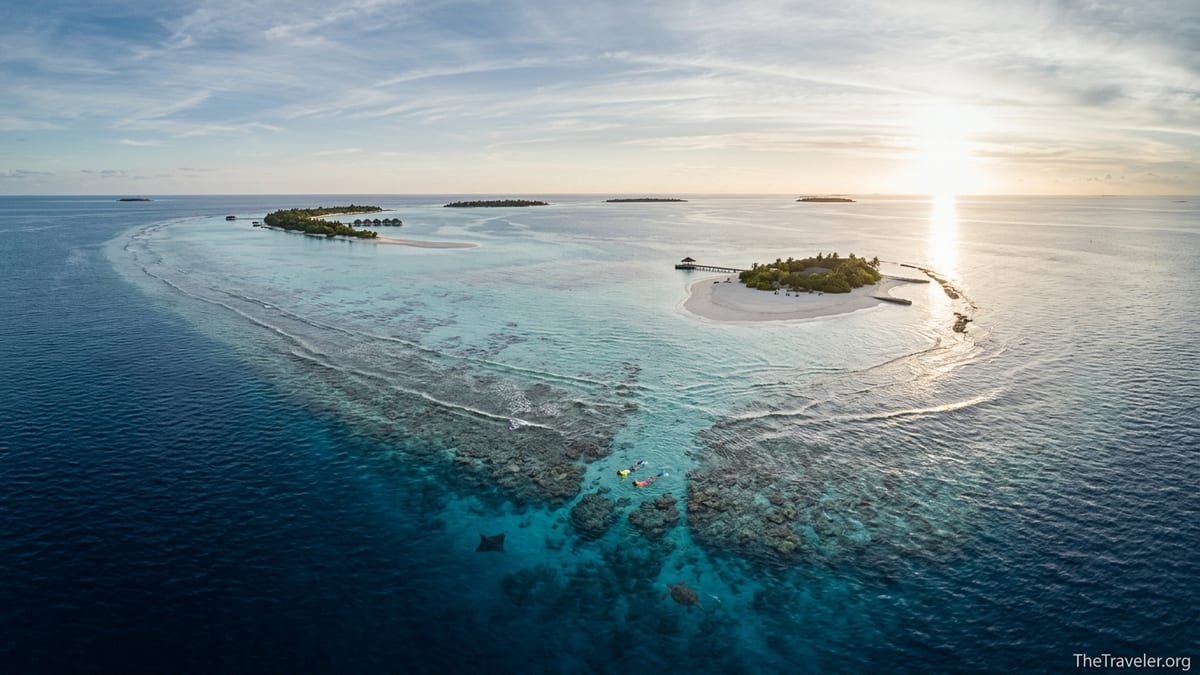
At first glance, the Maldives looks like a single necklace of islands scattered across the Indian Ocean, but for snorkelers the details matter. Each atoll has a different mix of shallow lagoons, steep outer walls and deep channels that funnel nutrient rich currents. Those currents are what draw in manta rays, whale sharks and big schools of fish, but they can also mean challenging conditions for beginners.
In practical terms, most visitors face two choices. You can base yourself on a resort or local island with an excellent house reef and spend most of your time snorkeling straight from the beach or jetty. Or you can prioritize big animal encounters such as mantas and whale sharks, which usually means joining daily boat trips to marine protected areas and channel edges. Some atolls, such as South Ari, manage to offer both a good house reef scene and realistic year round whale shark encounters, while others, such as Vaavu, are stronger on guided trips than off the beach snorkeling.
Transfers also shape your experience. North and South Malé Atolls are a speedboat ride from Velana International Airport, making them convenient for long weekends or shorter breaks. Ari and Baa typically require a 20 to 35 minute seaplane flight, adding cost but dropping you into areas that feel wilder and less built up. Vaavu sits somewhere in between. It is reachable by speedboat yet sees far fewer visitors than the Malé Atolls, which is part of its appeal for more experienced snorkelers.
Finally, it is worth remembering that coral health in the Maldives is patchy after several bleaching events. Even in top atolls you will see a mix of recovering and damaged areas beside sections of thriving reef. Focusing on islands that are repeatedly praised for strong fish life, turtles and pelagic encounters is often more rewarding than chasing the perfect coral garden.
South Ari Atoll: Year Round Whale Sharks And Reliable House Reefs
If your priority is snorkeling with whale sharks, South Ari Atoll, also known as Alifu Dhaalu, is the logical starting point. The South Ari Marine Protected Area stretches along the atoll’s southeastern outer edge and has been identified by researchers as a globally significant aggregation site for juvenile whale sharks, with animals present in the area throughout the year. In practice, that means daily snorkeling excursions from nearby islands have realistic chances of success in all seasons, although sightings still vary from day to day.
Several resorts and local islands sit directly on or very close to the protected reef. On the resort side, places such as LUX South Ari Atoll, Conrad Maldives Rangali Island and Vilamendhoo Island Resort all run specialized whale shark snorkel trips by speedboat. A typical half day excursion costs in the region of 100 to 200 US dollars per person depending on boat size and inclusions such as lunch. Budget conscious travelers often base themselves on local islands like Dhigurah or Maamigili, where guesthouses bundle two to three hour whale shark outings, including gear, for prices that are generally lower than resort rates.
South Ari also performs strongly for day to day house reef snorkeling. Vilamendhoo, for instance, is frequently cited by repeat visitors and snorkel specialists for its encircling reef with drop offs full of blacktip reef sharks, rays and abundant reef fish. Many islands in the atoll offer shallow seagrass beds and coral blocks where green and hawksbill turtles graze, and turtle focused snorkel trips are widely offered. For travelers who want to wake up, walk off the beach and see sharks and turtles before breakfast, this combination of easy access and big animal possibilities is a rare selling point.
The trade off in South Ari is popularity. Whale shark tourism here is busy, and on peak days several boats might follow the same animal. Most operators follow government guidelines on approach distance and limit the number of swimmers in the water at once, but you should still expect a more social experience than a private one. Choosing smaller boats, traveling in shoulder seasons and being flexible about tides and timing can help keep encounters feel less crowded.
Baa Atoll: Manta Aggregations And Biosphere Reserve Reefs
Baa Atoll is best known among snorkelers for Hanifaru Bay, a small horseshoe shaped inlet that can host impressive seasonal aggregations of reef mantas and occasional whale sharks. The bay and its surrounding reef system form part of a UNESCO Biosphere Reserve. Access is tightly regulated. Only snorkeling is allowed, diving is prohibited, visitor numbers per session are capped and in water behavior such as touching or chasing animals is banned. Visitors must pay a conservation fee on top of their resort or excursion costs, and time in the water is limited.
In practical terms, this means you come to Baa for quality rather than flexibility. During the main southwest monsoon months, roughly June to October, plankton rich currents can concentrate in Hanifaru and neighboring channels, drawing dozens of mantas into the shallow bay on the best days. Resorts such as Royal Island, Kiha Maldives and more upmarket properties like Amilla and Soneva Fushi run scheduled snorkel trips whenever park rangers declare conditions suitable. On quieter days, the same boats shift focus to cleaning stations and reef snorkels where smaller numbers of mantas feed and circle above coral heads.
Outside Hanifaru itself, Baa offers a solid mix of house reefs and boat accessed snorkeling. Some islands sit on the inner atoll with calmer lagoons and patch reefs well suited to beginners, while others on the outer rim face more current and attract larger schools of fish, Napoleon wrasse and occasional eagle rays. Turtle sightings are common but not as defining a feature here as in parts of Ari. Because Baa is more spread out, resorts often package multi stop snorkel safaris visiting two or three sites in a single morning, which can be appealing if you want variety.
The main limitations are seasonality and cost. If mantas are your priority, visiting between late May and early October gives you the best odds, and even then nature does not always cooperate. Baa is also heavily skewed toward mid range and luxury resorts reached by seaplane, so nightly rates and transfer costs are typically higher than in the Malé Atolls or some local islands of Ari and Vaavu.
North And South Malé: High Convenience, Strong House Reefs And Classic Sites
For travelers who want to maximize water time on a short trip, North and South Malé Atolls remain compelling choices. Both sit within speedboat range of the international airport, so you can be on a reef within an hour of landing. Despite their popularity, several islands here still offer excellent snorkeling directly from shore, along with swift access to some of the country’s most established reef and manta sites.
In North Malé, classic snorkeling islands include Baros, Banyan Tree Vabbinfaru, Helengeli and Angsana Ihuru, all recognized for steep house reef walls hugging the island. Guests regularly report encounters with reef sharks, turtles and swirling clouds of fusiliers a short fin from their villas. Local islands such as Rasdhoo, although technically just beyond North Malé in a separate small atoll, have built reputations as good value bases for independent snorkelers, with affordable guesthouses and daily boat trips to nearby reefs.
South Malé is slightly quieter and often a better bet for travelers who want healthy reefs without the thick resort development of North Malé. Several islands here offer snorkel friendly drop offs right from their main jetty or a short dhoni ride away. Access to famous sites such as Manta Point, where reef mantas gather seasonally to clean on submerged coral blocks, is relatively straightforward. Here, too, turtles are regularly seen on both house reefs and organized trips, and night snorkeling with nurse sharks and hunting jacks is sometimes offered for confident swimmers.
The main drawback in the Malé Atolls is crowding at headline sites during peak periods, particularly when multiple speedboats converge on the same manta cleaning station. Coral damage around heavily visited reefs is also more evident here than in some outer atolls. If you choose North or South Malé, consider booking smaller resorts with a reputation for reef protection, or look at nearby local islands with fewer rooms, which can ease pressure on surrounding coral.
Vaavu Atoll: Channels, Sharks And A Quieter Edge
Vaavu, also known as Felidhu Atoll, is one of the least developed central atolls, with only a handful of resort islands and a modest but growing number of local island guesthouses. For snorkelers who enjoy a sense of remoteness and do not mind relying on boats, it is one of the most rewarding places in the country, especially if sharks are high on your wish list. This atoll is famous among divers for sites such as Fotteyo Kandu and Miyaru Kandu, where channels cut through the atoll rim and strong currents draw in grey reef sharks, schooling barracuda and eagle rays.
From a snorkeling perspective, these same channels can offer thrilling drifts along outer walls covered in soft corals and overhangs. Resorts and guesthouses typically schedule channel snorkels when currents are manageable and the tide is right, often early in the morning. A day trip might include a shallow coral garden inside the atoll, a channel edge snorkel with reef sharks, and a final stop over a sandbank where stingrays glide in knee deep water. Expect to pay around 60 to 120 US dollars for such regional excursions, with prices varying by boat type and group size.
One of Vaavu’s best known experiences is snorkeling with nurse sharks near Alimatha or in nearby lagoons, often at dusk or after dark when the sharks become more active. Boats from resorts and local islands gather at fixed points where the sharks regularly patrol, and snorkelers can float above dozens of animals at once. This is an intense encounter better suited to confident swimmers, and it is important to choose operators who follow responsible wildlife interaction guidelines.
Vaavu’s house reefs are more mixed than those in Ari or parts of North Malé. Some resort islands, such as newer openings with dedicated dive centers, maintain solid reefs just off their main beaches, while others require a short boat ride for the best snorkeling. If you value independent shore access above all else, study each island’s reef map and recent guest feedback before committing, and be prepared to join organized trips to see the atoll at its best.
Other Strong Reef Areas: Lhaviyani, Rasdhoo And Beyond
While Ari, Baa, Malé and Vaavu draw most of the attention, several smaller or more northerly atolls are quietly building reputations among snorkel focused travelers. Lhaviyani, for example, lies north of Malé and combines some of the most consistently praised house reefs with channel sites rich in sharks and rays. Resorts such as Kuredu and other longstanding islands in the atoll attract repeat guests who come primarily for snorkeling, highlighting outer reef drop offs where turtles, batfish and reef sharks are daily sightings.
Rasdhoo Atoll, a compact ring just off the northeastern tip of Ari, offers another attractive balance of value and marine life. The main local island of Rasdhoo has several guesthouses that cater to snorkelers and divers, with boats heading out each morning to nearby reefs, sandbanks and manta points when in season. For travelers who want the feel of a Maldivian village along with easy access to big marine animals, it can be a compelling compromise between resort isolation and budget constraints.
Farther south, some atolls such as Gaafu and Fuvahmulah are renowned in diving circles for pelagic species and cooler, less bleached reefs. These areas are more expensive and logistically complex to reach, typically involving a domestic flight and sometimes a further speedboat transfer. They tend to suit experienced swimmers comfortable with currents and less dependent on shore snorkeling. For most first or second time visitors focused on relaxed house reef exploration, the central band of atolls between Baa and Vaavu remains a more straightforward choice.
As tourism spreads beyond classic seaplane atolls, more local islands across the country are installing simple reef entry points, renting basic snorkel gear and organizing small group trips with local skippers. For flexible travelers willing to trade polished service for authentic atmosphere and lower prices, this expanding network of guesthouses opens up additional reef systems without the premium resort markup.
Choosing The Right Atoll For Your Snorkel Style
When comparing atolls, it helps to be honest about how you like to spend your days in the water. If your perfect routine is rolling out of bed, walking 30 meters and dropping onto a teeming reef whenever you like, then atolls with proven house reef stars should be at the top of your list. South Ari delivers here, with islands like Vilamendhoo and several mid range resorts offering wraparound reefs. North Malé has its cluster of small islands with steep walls just beyond the shore, while Lhaviyani tempts with large resorts where you can spend a week exploring different entry points on the same house reef.
If your priority is a specific encounter, the atoll choice narrows. For whale sharks, South Ari offers the most reliable year round prospects, with both resorts and local islands running daily excursions along the protected outer reef. For manta rays, Baa’s Hanifaru Bay and nearby cleaning stations are unmatched in peak season, while North and South Malé have their own manta points that come alive when conditions are right. Vaavu adds high adrenaline shark encounters in its channels and nurse shark aggregations that are hard to match elsewhere.
Travel logistics and budget are the other big filters. Seaplane atolls such as Ari, Baa and some of the more distant northern regions typically add several hundred dollars per person in transfers, whereas Malé and Vaavu can be reached by shared or private speedboat. Local islands in Ari, Rasdhoo and Vaavu often package accommodation and daily snorkeling trips at a fraction of resort prices, though you give up private villa seclusion and some amenities. Think about whether you would rather put more of your budget into flights and transfers to reach a marquee manta bay, or into extra nights and more time exploring a strong house reef closer to the airport.
Whatever you choose, build some flexibility into your plan. Conditions change with monsoon seasons, wind, currents and visibility. Having at least four or five full days in a single atoll, rather than bouncing between several for one night each, gives you better odds of hitting a calm window when mantas feed in the shallows or whale sharks cruise the reef edge. Talking with your resort or guesthouse guides on arrival and adjusting your expectations to the week’s conditions is often the difference between chasing checklists and enjoying the underwater world as it is.
The Takeaway
There is no single best atoll in the Maldives for every snorkeler, but there are clear patterns that can help you decide. South Ari stands out as the strongest all round choice if you want a mix of easy house reef snorkeling, frequent turtle and reef shark encounters and credible year round chances to snorkel with whale sharks. Baa is the specialist option for manta enthusiasts willing to time their trip to the southwest monsoon and accept strict but conservation minded rules inside Hanifaru Bay. North and South Malé balance strong reefs with convenience, while Vaavu offers a quieter, shark rich alternative for confident swimmers who enjoy guided channel drifts.
For many travelers, a smart strategy is to pick one atoll that fits your snorkel style and stay long enough to settle into the rhythm of the reef rather than trying to sample everything in a single trip. Whether you find yourself finning past a wall of mantas in Baa, following a turtle over the drop off in Ari, or floating above nurse sharks in Vaavu, the Maldives delivers an underwater experience that is hard to match. With a bit of planning around atolls, seasons and access, you can tilt the odds toward the encounters that matter most to you while still leaving space for the surprises that make reef snorkeling memorable.
FAQ
Q1. Which Maldives atoll is best if I mainly want to snorkel with whale sharks?
South Ari Atoll is generally considered the best choice for whale shark snorkeling, with a protected outer reef where juvenile whale sharks are present year round and daily excursions run from both resorts and local islands.
Q2. When is the best time of year to see manta rays in the Maldives?
Manta rays can be seen in several atolls, but the peak season for large aggregations in Baa Atoll, especially around Hanifaru Bay, usually falls between about June and October during the southwest monsoon, while manta points in the Malé Atolls and other regions can be productive at different times depending on currents and plankton.
Q3. I am a beginner snorkeler. Which atolls offer easier, calmer conditions?
North and South Malé, as well as some inner lagoon islands in Ari and Baa, tend to offer sheltered house reefs and shallow lagoons that suit beginners, especially on islands where the main snorkeling area is inside the atoll rather than on a wave exposed outer wall.
Q4. Are the best house reefs only at expensive luxury resorts?
Many renowned house reefs do sit in mid to high end resorts, but there are also reasonably priced resorts and local island guesthouses in places like South Ari, Lhaviyani and Rasdhoo that offer very good snorkeling from shore or within a short boat ride.
Q5. How many days should I allow in one atoll for good snorkeling?
Allowing at least four to five full days in a single atoll gives you time to adjust to local conditions, join several excursions and repeat house reef sessions in different light and tides, which usually leads to more satisfying encounters than a fast moving itinerary.
Q6. Can I rely only on a house reef, or do I still need boat trips?
On some islands with strong wraparound reefs, especially in South Ari, North Malé and Lhaviyani, you could happily spend most of your time on the house reef, but boat trips remain important if you want to reach specific manta cleaning stations, whale shark hotspots or dramatic channel edges.
Q7. Is it better value to stay on a local island than at a resort for snorkeling?
Local islands in South Ari, Rasdhoo and Vaavu often offer more affordable rooms and snorkel excursions, so they can be excellent value for serious snorkelers willing to trade private villas and alcohol service for a simpler, community based stay.
Q8. Are there strong snorkel areas outside Ari, Baa, Malé and Vaavu?
Yes, atolls such as Lhaviyani in the north and some southern atolls like Gaafu have very good reefs and big fish life, though they can be more time consuming and expensive to reach and sometimes better suited to experienced swimmers comfortable with currents.
Q9. Do I need to bring my own snorkel gear to the Maldives?
Most resorts and guesthouses rent masks, fins and snorkels, but bringing your own well fitting mask and snorkel is recommended if you plan to be in the water daily, as comfort and fit can make a big difference, while renting fins locally is often sufficient.
Q10. How can I choose a specific island within the atoll once I pick a region?
After choosing an atoll, compare individual islands by looking at recent comments on house reef quality, distance from key sites such as whale shark or manta areas, entry points for shore snorkeling and the balance between price, transfer type and the kind of atmosphere you prefer.