


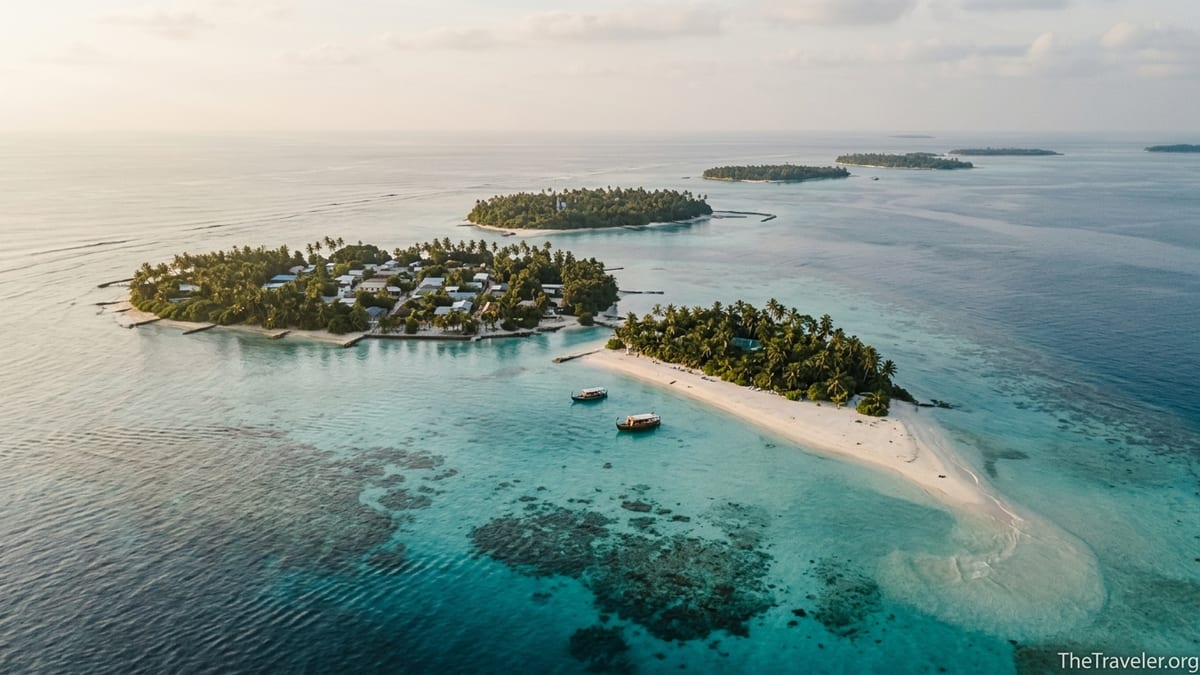
The Maldives is no longer only about secluded five-star resorts. Over the past decade, a growing network of inhabited “local islands” has opened to independent travelers, bringing turquoise lagoons, coral reefs and white-sand beaches within reach of mid-range and even backpacker budgets. The challenge now is not whether you can afford the Maldives, but which island best matches your priorities for beaches, snorkeling, diving, couples time, family comfort and ease of access. This guide compares the standout local islands of Maafushi, Dhigurah, Thoddoo, Ukulhas, Fulidhoo, Rasdhoo, Thulusdhoo, Fuvahmulah and a few others to help you choose.
How Local Islands Work in the Maldives
Local islands are inhabited Maldivian communities that now host guesthouses and small hotels alongside family homes, mosques and schools. Unlike private resort islands, they are governed by local rules on dress, alcohol and public behavior. Bikinis are only allowed on designated “bikini beaches,” alcohol is not sold on the island itself and visitors are expected to dress modestly in village streets, typically covering shoulders and knees. For many travelers, these constraints are a small trade-off for lower prices and a more authentic glimpse of daily life.
Prices vary by island and season, but a clean double room in a guesthouse on a popular island such as Maafushi or Thoddoo often starts around 60 to 90 US dollars per night in the wet season, rising toward 120 to 150 dollars in the dry season for better-located properties. Simple meals in local cafés may cost between 5 and 12 dollars, while restaurant seafood grills or Western dishes can be higher. Excursions such as full-day snorkeling or sandbank trips commonly fall in the 35 to 70 dollar range per person, while two-tank dives may start from around 80 to 120 dollars depending on the site and equipment rental.
Access from the capital region around Velana International Airport near Male is a major part of the decision. Some islands, such as Maafushi and Thulusdhoo, are reached in 25 to 40 minutes by speedboat and have frequent daily departures. Others, such as Dhigurah in South Ari Atoll or Fuvahmulah in the deep south, require either a longer speedboat ride of 90 to 120 minutes or a domestic flight plus a short boat transfer. Public ferries still exist, but schedules can be limited and crossings slow, so most visitors choose scheduled speedboats organized through their guesthouse.
When comparing islands, it helps to think in terms of your main priority. Some islands are “beach first” with wide, photogenic sands and a relaxed land-based atmosphere, such as Thoddoo and Ukulhas. Others, such as Rasdhoo or Fulidhoo, are chosen mainly for their access to specific reefs, channels or sandbanks. Dhigurah is strongly associated with year-round whale shark excursions in South Ari, while Fuvahmulah has built a reputation for big pelagic diving with tiger sharks and other ocean giants. Maafushi stands out as the most commercial all-rounder, with the widest range of guesthouses and excursions for those who want variety in a short stay.
Maafushi: Most Accessible All-Rounder
Maafushi in Kaafu Atoll is one of the original local-island tourism hubs and remains the easiest introduction to the Maldives for many visitors. Located around 25 kilometers south of Male, it is typically reached by public speedboat in about 30 minutes, with multiple daily departures arranged by guesthouses and local operators. For short trips of three to five nights, this proximity matters because it minimizes transfer time and cost, often around 20 to 30 dollars per person one way on shared boats.
The island itself is relatively built up compared with quieter atolls. You will find a dense strip of budget and mid-range guesthouses, small hotels, dive centers, cafés and souvenir shops along the main tourist beach. The bikini beach on the western side has soft sand and calm lagoon water suitable for swimming, backed by sun loungers and shade from palms and man-made structures. Snorkeling directly from shore is pleasant but not exceptional by Maldivian standards; however, Maafushi excels in the sheer variety of excursions it offers to nearby house reefs, sandbanks and even neighboring resort islands on day passes.
For snorkeling and diving, Maafushi serves as a convenient base from which boats head to reefs in South Male Atoll. Typical outings include one or two reef stops where you may see reef sharks, turtles and colorful fish, a visit to a sandbank for beach time, and sometimes a stop at a shipwreck or a dolphin search at sunset. Prices can be competitive due to the number of operators, which benefits budget-conscious travelers who want to pack several experiences into a few days without private-resort prices.
Maafushi is particularly suitable for first-time visitors, social travelers and families who value convenience over seclusion. Couples seeking a very quiet or “castaway” feel may find the built-up main street and constant movement of boats a little busy. On the other hand, the island is ideal if you want easy access to day trips, a range of dining options and a straightforward transfer after a long international flight.
Dhigurah and South Ari: Whale Sharks and Long Beaches
Dhigurah, in South Ari Atoll, is widely regarded as one of the best local islands for travelers who want a mix of a long natural beach, snorkeling and diving with whale sharks and mantas, and a laid-back island feel. The island stretches several kilometers, with a broad sandbar forming at its southern tip. The main bikini beach area usually lies toward the far end of the island, so many guesthouses provide bicycles or golf-cart shuttles, although walking along the palm-fringed path is part of the charm for many visitors.
Reaching Dhigurah generally involves either a domestic flight from Male to Maamigili followed by a short boat, or a scheduled speedboat directly from the capital region, usually around two hours depending on sea conditions. The cost is higher than speedboats to nearby atolls, but travelers choose Dhigurah for its access to the South Ari Marine Protected Area, where whale sharks are spotted year-round with relatively high success rates compared with many other parts of the world.
Excursions from Dhigurah often focus on half or full-day whale shark searches by speedboat along the outer reef, combined with snorkeling on coral pinnacles known as thilas or stops at sandbanks. While sightings are never guaranteed, operators report that in peak dry-season months from roughly December to April guests often see one or more whale sharks on a typical trip. Diving in South Ari adds the possibility of manta ray cleaning stations at certain times of year, along with reef sharks, turtles and larger fish schools around well-known sites.
Dhigurah suits couples and serious snorkelers or divers willing to invest a little more in transfers and excursions in exchange for standout wildlife experiences. Families with small children should consider the length of boat trips and the sometimes choppy seas in the wet season, but older children who are comfortable in the water may find the possibility of swimming alongside a whale shark unforgettable.
Thoddoo, Ukulhas and Rasdhoo: Ari Atoll Beach & Reef Trio
Thoddoo, Ukulhas and Rasdhoo form a popular circuit in the northern part of Ari Atoll, each offering a different balance between beaches, snorkeling and atmosphere. Many independent travelers combine two or all three islands over 7 to 10 days, often traveling between them by local ferries or shared speedboats arranged through guesthouses.
Thoddoo is sometimes called the “farm island” because of its coconut, papaya and watermelon plantations. It is unusually lush compared with many Maldivian islands. For beach lovers, Thoddoo stands out with two designated bikini beaches on opposite sides of the island, often referred to as Sunrise and Sunset beaches. The sand here is wide and powdery, with calm shallows ideal for swimming. Snorkeling just off the beach can reveal turtles and reef life, although the more dramatic reefs are reached by boat trips to nearby thilas and channels. The island has a good spread of mid-range guesthouses and a peaceful village ambiance that appeals to couples and longer-stay guests.
Ukulhas, by contrast, is known for its tidy streets, focus on waste management and a long, easily accessible bikini beach along much of its western side. The reef edge lies relatively close to shore in places, allowing guests to snorkel over coral and fish life without needing a boat every day. Operators on Ukulhas run snorkeling and sandbank excursions as well as dives to spots around northern Ari Atoll. The island generally feels quieter than Maafushi but more beach-focused than Rasdhoo, with enough cafés and small shops for comfortable stays of a week or more.
Rasdhoo is the smallest of the three and has earned a strong reputation among divers. It sits near channels and pinnacles where currents can attract grey reef sharks, hammerheads at certain early-morning sites and large schools of fish. Snorkeling trips from Rasdhoo commonly include visits to a photogenic sandbank, where powdery sand rises from shallow turquoise water, and reefs where turtles and reef sharks are often encountered. Sandy swimming areas exist on the island itself, but many visitors choose Rasdhoo primarily for its marine excursions rather than for a classic long beach.
Fulidhoo and Thulusdhoo: Character Islands Near Male
Fulidhoo, in Vaavu Atoll, has become popular with travelers seeking a quieter alternative to Maafushi while still staying within reach of the capital. From Male, shared speedboats typically take about 75 to 90 minutes, depending on stops. The island is small and walkable in minutes, with a charming village feel, a designated bikini beach on the northern side and a reputation for friendly local guesthouses. Fulidhoo lies close to channels known for nurse shark and reef shark snorkeling, and excursions often combine snorkeling at several reefs with a visit to a sandbank and sometimes a stop where nurse sharks gather in deep turquoise water.
Fulidhoo tends to suit couples and solo travelers who prefer a relaxed social scene with a handful of cafés and guesthouses rather than long strips of hotels. With limited space, it can feel busy in peak months, but the overall atmosphere remains smaller scale than Maafushi. Snorkeling can be very rewarding around Vaavu’s reefs, especially for those interested in sharks and a more “wild” feel to the underwater landscape.
Thulusdhoo, in the same general region as Maafushi but to the north of Male, is best known for surf rather than snorkeling. Nearby breaks such as Cokes and Chicken attract intermediate and advanced surfers, and several guesthouses and surf camps cater specifically to them. The island also has a pleasant bikini beach with lagoon swimming suitable for non-surfers, and a modest selection of cafés and shops. Transfers from Male by speedboat usually take around 30 minutes, making Thulusdhoo one of the most accessible islands after Maafushi.
Families and non-surfing couples should be aware that while snorkeling and diving excursions are available from Thulusdhoo, the house reef is not the main attraction compared with islands like Dhigurah or Rasdhoo. Thulusdhoo works well if one partner surfs and the other is happy to relax on the beach or join occasional boat trips, or for groups who want a mix of surf sessions and casual island life close to the airport.
Fuvahmulah and Other Specialist Islands
Fuvahmulah is a remote single-island atoll in the far south of the Maldives, near the equator. It has built a reputation as a specialist diving destination for encounters with large pelagic species. Divers visit to increase their chances of seeing tiger sharks at designated sites, as well as threshers, oceanic mantas and other big ocean life. This is high-adrenaline diving, generally recommended for advanced or at least very comfortable divers who are accustomed to currents, depth and close encounters with large animals.
Reaching Fuvahmulah usually involves a domestic flight from Male to the island’s own airport, followed by a short transfer to a guesthouse. This makes it a more time-consuming and expensive option than the central atolls, so it is rarely a first-timer choice for short trips. The island itself is larger and more varied than many atolls, with a mix of coastal areas including the famous pebble beach of Thoondu, freshwater wetlands and a relatively substantial local population. Tourist infrastructure remains smaller in scale than in Kaafu or Ari, but several dedicated dive lodges and guesthouses now cater specifically to serious divers.
Beyond Fuvahmulah, a number of quieter islands appeal to travelers who prioritize crowd-free beaches over a long list of restaurants. Examples include Omadhoo and Dhangethi in South Ari or smaller islands in Baa and Raa atolls that have only a handful of guesthouses. These spots can offer good value and a strong sense of being away from mass tourism, but may involve more complex transfers with less frequent boats, and sometimes fewer excursion operators. When considering such islands, it is important to ask your guesthouse in advance about typical costs for snorkeling and diving trips, and whether there are enough other guests to share boats, which helps keep prices reasonable.
These more specialist or remote islands are best suited to travelers with at least 9 to 14 days in the Maldives, who are prepared to spend additional time and budget on transfers in exchange for unique diving or a quieter, more local atmosphere.
Choosing the Right Island for Your Travel Style
For couples seeking a balance of good beaches, a romantic feel and access to snorkeling, Thoddoo, Ukulhas and Dhigurah often stand out. Thoddoo’s wide sunset sands and quiet lanes between fruit fields create an intimate atmosphere, while Ukulhas offers easy house-reef snorkeling just off the bikini beach. Dhigurah adds the extra dimension of whale shark trips and a long, sometimes near-empty stretch of sand at the southern tip, albeit with longer and costlier transfers.
Families often prioritize safe swimming, shorter transfers and enough shops or cafés to keep varied tastes happy. Maafushi and Thulusdhoo work well for shorter family stays, thanks to their frequent speedboats from Male and broad range of accommodation and food options. Families with older children who are comfortable on boats might also enjoy Fulidhoo for its shark-focused snorkeling, provided everyone is at ease in the water, or Ukulhas for its calm shoreline and tidy village environment.
Budget-conscious travelers looking for the lowest overall cost usually weigh the cheaper transfers and competitive guesthouse prices of islands close to Male against slightly higher nightly prices but calmer atmospheres further out. Maafushi remains one of the most economical all-round choices once you factor in excursion prices and transfer simplicity. Thoddoo, Fulidhoo and Ukulhas also offer strong value, especially outside the peak dry-season months, with room rates often dropping significantly in the wet season from May to October. Eating at local cafés where Maldivian curries and short-eats are served can further reduce daily costs compared with ordering imported Western dishes at every meal.
Divers and snorkelers who place underwater encounters at the top of their list tend to focus on specific atolls. South Ari around Dhigurah and nearby islands is known for whale sharks and mantas. Vaavu around Fulidhoo provides dramatic channels and shark-focused snorkeling. Northern Ari around Rasdhoo and Ukulhas offers classic pinnacles with sharks and schooling fish. Advanced divers with more time and budget might plan an itinerary that combines a few days in one of these areas with a dedicated trip to Fuvahmulah or a liveaboard safari, but for many visitors, staying on a single well-chosen island delivers plenty of memorable encounters.
Practical Tips for Local Island Stays
Whichever island you choose, a few practical points help set expectations. Alcohol is not sold on local islands, so sundowners typically mean fresh juices, mocktails or coffee on the beach rather than cocktails, unless you book a day trip to a nearby resort island or so-called floating bar boat where local rules differ. Dress codes are conservative in village streets, so packing light cotton clothing that covers shoulders and knees is essential for both men and women when away from the bikini beach. Swimwear is accepted only on those marked sections of shoreline.
Weather is another consideration. The Maldives has a tropical climate with drier months typically from about December to April and a wetter southwest monsoon period from around May to October. Even in the wet season, many days are sunny or partly cloudy, but short, heavy showers and choppier seas are more common. Prices at guesthouses and some domestic flights or speedboats often drop slightly outside the peak season, so flexible travelers can trade a higher chance of rain for lower costs and fewer crowds.
On most local islands, paying for everyday expenses remains straightforward. Many guesthouses accept major cards for room bills, though smaller cafés, excursion operators and corner shops may prefer cash in Maldivian rufiyaa or sometimes US dollars in small denominations. ATMs exist on a growing number of islands but are not universal, so withdrawing cash in Male or at the airport remains a sensible backup, especially for more remote destinations.
Finally, communication with your guesthouse before arrival is crucial. Ask for updated speedboat schedules and prices, typical costs for popular excursions, whether snorkeling gear is included or rented, and what the house rules are for dress and behavior. This is especially important on smaller islands, where there may be only one or two operators running tours, and where shared boat departures can depend on reaching a minimum number of participants.
FAQ
Q1. Which Maldives local island is best for first-time visitors on a budget?
Maafushi is usually the most practical choice for first-timers on a budget because it has the most frequent and affordable speedboats from Male, a large selection of guesthouses at various price points, and many competitively priced snorkeling and day trips.
Q2. Where should I stay if I want the best chance to see whale sharks?
Dhigurah in South Ari Atoll is one of the most convenient local islands for whale shark trips, with many operators offering regular excursions into the nearby protected area where sightings are relatively common compared with most of the world.
Q3. Which island has the best beaches among the local islands?
Thoddoo and Ukulhas are often recommended for particularly attractive bikini beaches with wide white sand and calm turquoise shallows, while Dhigurah adds a long sandbar-like stretch at its southern tip that can feel very secluded at quieter times.
Q4. What is the best island for surfing on a local budget?
Thulusdhoo is the leading local island choice for surf, as it sits close to well-known reef breaks such as Cokes and Chicken and has several guesthouses and surf camps that cater to wave-focused travelers on a mid-range budget.
Q5. Is Fuvahmulah suitable for non-divers or beginners?
Fuvahmulah is primarily a destination for experienced divers who want to see big pelagic species such as tiger sharks. Non-divers can appreciate the island’s scenery, but the main draw and much of the cost lies in advanced diving, so most first-time visitors are better served by islands like Thoddoo, Ukulhas or Maafushi.
Q6. Can families with young children enjoy local islands, or are resorts better?
Families with young children can enjoy local islands such as Maafushi, Ukulhas or Thulusdhoo, which offer calmer beaches, short transfers and a reasonable range of food options, though they will not have kids’ clubs or alcohol-serving bars found at resorts. Resorts may be more convenient for some families, but local islands can be rewarding and more affordable for those comfortable with simpler facilities.
Q7. How far in advance should I book guesthouses and transfers?
In the peak dry season from around December to April, it is wise to book guesthouses at least several weeks in advance, especially on popular islands like Dhigurah or Thoddoo. Speedboat seats can often be arranged closer to the date, but confirming schedules and reserving space with your guesthouse a week or more ahead provides peace of mind.
Q8. Are public ferries a realistic option to save money?
Public ferries are cheaper than speedboats but run less frequently and take much longer, sometimes several hours for routes that speedboats cover in under one hour. They are a viable option for flexible travelers with more time, but most short-stay visitors prefer speedboats for reliability and comfort.
Q9. Do I need to bring my own snorkeling gear?
Many guesthouses rent or lend basic snorkel sets, but the quality and fit can vary. Serious snorkelers often prefer to bring their own mask and snorkel from home, while renting fins locally to save luggage space. Checking in advance with your accommodation helps you decide what to pack.
Q10. Is it easy to combine two or three local islands in one trip?
Combining islands is quite feasible, especially within the same atoll. A common route is Thoddoo, Ukulhas and Rasdhoo in northern Ari, or Maafushi with nearby Fulidhoo. However, schedules change, so planning connections with help from guesthouses and allowing some flexibility is important to avoid tight same-day transfers.